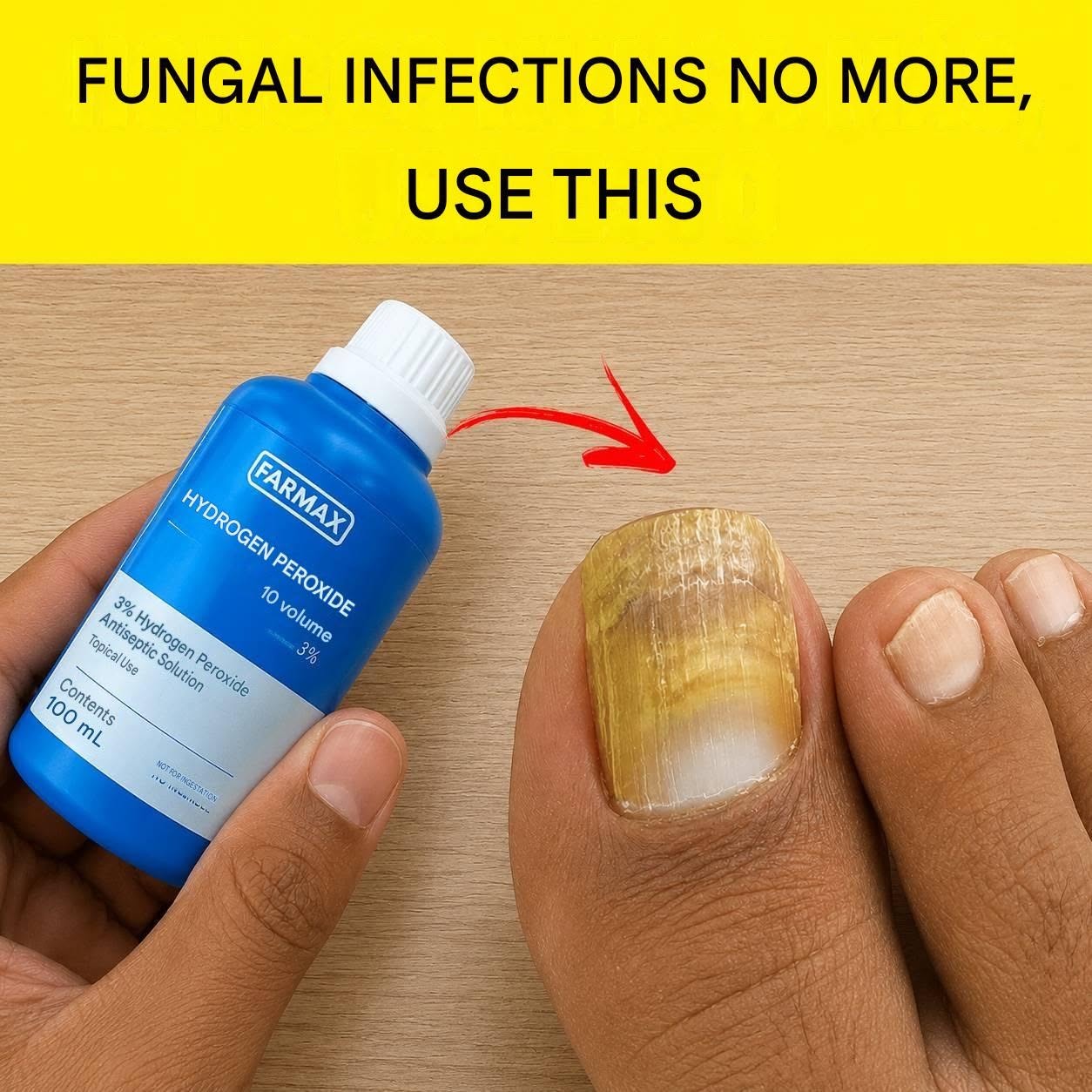
Home Remedies for Nail Care: Simple Ways to Help Prevent Fungus and Keep Nails Healthy
Healthy nails are more than just a beauty feature. Strong, clean nails can also reflect good everyday hygiene and proper nail care.
While no home remedy can guarantee that you will never develop a fungal nail infection, several simple habits can help reduce moisture, limit exposure to fungi, and keep nails in better condition.
Here are practical ways to care for your nails at home.
1. Keep Your Nails Clean and Dry
Fungi thrive in warm, damp environments. Wash your hands and feet regularly, then dry them thoroughly—especially between the toes.
After bathing or swimming, don’t leave your feet damp inside socks or shoes.
2. Trim Nails Regularly
Keep fingernails and toenails trimmed and relatively straight across. Avoid cutting them extremely short, as this can irritate the surrounding skin.
Use clean nail clippers or scissors and avoid sharing nail tools with other people.
3. Change Damp Socks
If your feet sweat heavily, change your socks when they become damp.
Choose breathable footwear when possible and allow shoes to dry completely before wearing them again.
Rotating shoes can also give moisture more time to evaporate.
4. Don’t Pick or Bite Your Nails
Biting or picking can damage the nail and surrounding skin, creating small openings where bacteria or fungi may enter.
Try to keep the skin around your nails intact rather than cutting or tearing cuticles.
5. Moisturize Dry Nails and Skin
Dry, brittle nails can crack and split more easily.
Applying a simple fragrance-free moisturizer to your hands, nails, and surrounding skin can help maintain the skin barrier.
If your feet are very dry, moisturizing after bathing can be particularly helpful. Avoid applying thick moisturizer between the toes, where excess moisture can accumulate.
6. Clean Your Nail Tools
Nail clippers, files, and other tools should be cleaned regularly and should not be shared.
If you visit a salon, choose one that follows appropriate hygiene and sterilization practices.
7. Be Careful With DIY Antifungal Remedies
You may see recommendations online involving vinegar, tea tree oil, garlic, or other household ingredients.
Evidence that these remedies can reliably treat an established fungal nail infection is limited, and some can irritate or burn the surrounding skin.
If a nail has become thick, yellow, crumbly, distorted, or separated from the nail bed, it’s better to have it evaluated rather than relying solely on home treatments.
8. Give Your Nails a Break From Damage
Frequent manicures, aggressive filing, artificial nails, or repeated exposure to harsh chemicals can weaken nails.
When using cleaning products, consider wearing appropriate protective gloves and avoid scraping underneath your nails with sharp objects.
When Should You See a Healthcare Professional?
Not every discolored or damaged nail is caused by fungus.
See a healthcare professional if a nail becomes persistently:
- Yellow, white, or brown
- Thickened or unusually brittle
- Crumbly or distorted
- Separated from the nail bed
- Painful or swollen
- Surrounded by redness or drainage
People with diabetes, poor circulation, or a weakened immune system should be especially cautious about persistent foot or nail problems and seek professional advice.
The Bottom Line
The best “home remedy” for healthy nails is often consistent hygiene: keep nails clean and dry, trim them properly, protect the surrounding skin, and avoid sharing nail tools.
These habits can help reduce the conditions in which fungal infections thrive, but they cannot completely prevent infection.
If you suspect you already have nail fungus, getting the correct diagnosis is important because several other nail conditions can look similar—and effective treatment depends on the cause.