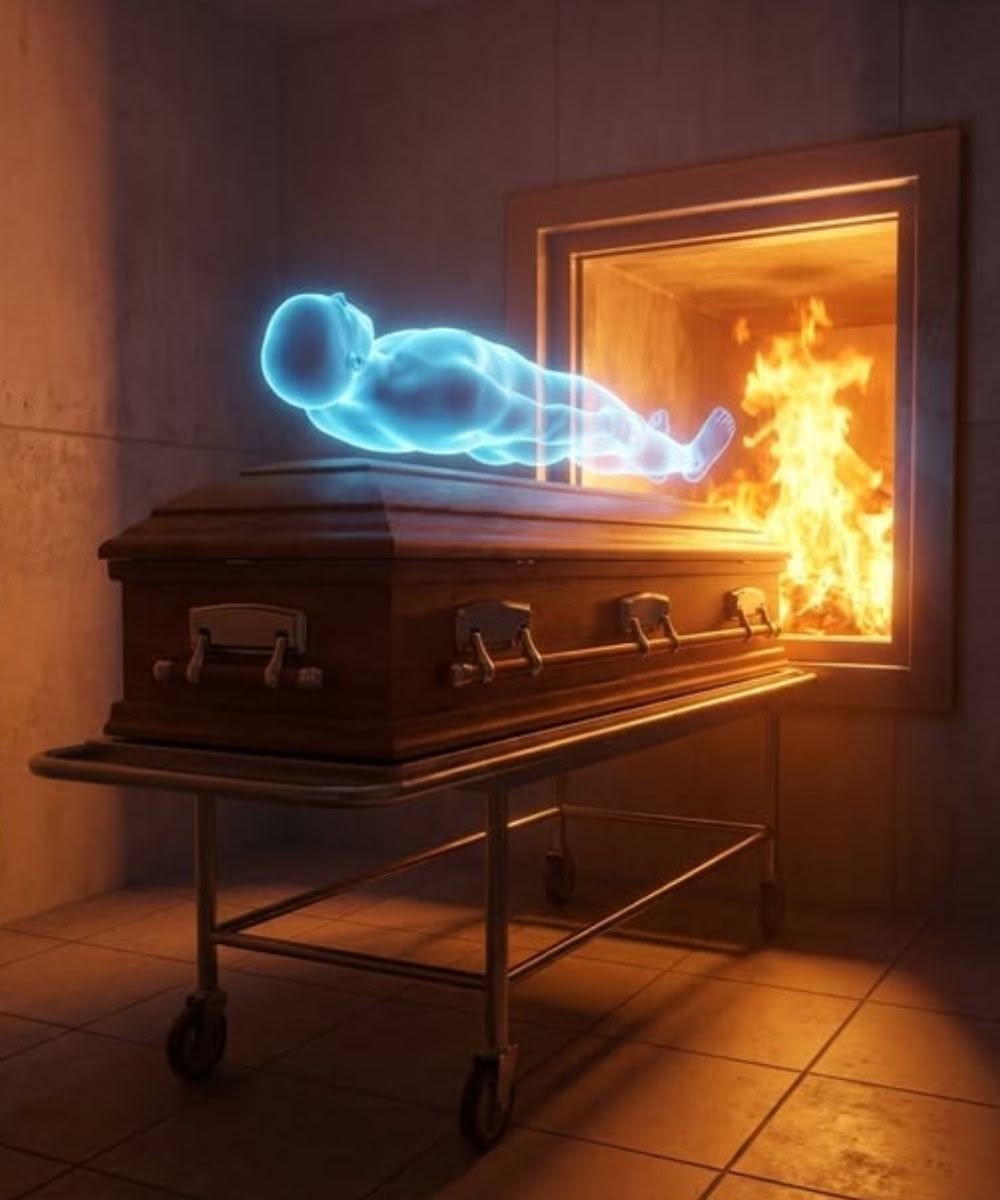
What does the Bible say?
The Bible contains many examples of burial. For example, Abraham buried Sarah (Genesis 23), and Jesus was buried after His death (Matthew 27:57–60). Burial was therefore the customary practice in biblical times.
There are also references to burning human remains. In 1 Samuel 31:11–13, Saul and his sons were burned and then their bones were buried. This passage does not describe cremation as a sin.
What about resurrection?
Some Christians worry that cremation could prevent resurrection. Biblically, however, resurrection does not depend on the condition of a person’s body. The Bible teaches that God can raise the dead (1 Corinthians 15:42–44; 1 Thessalonians 4:16).
A person’s salvation also does not depend on whether their body is buried or cremated.
Why do some Christians prefer burial?
Certain Christian traditions strongly prefer burial because:
- Burial follows the biblical pattern seen throughout Scripture.
- It can symbolize the hope of resurrection.
- It reflects the traditional Christian practice of honoring the body.
Other Christian denominations permit cremation and do not consider it sinful.
Bottom line: There is no biblical command saying, “You must not be cremated.” If someone chooses cremation respectfully and without rejecting God or the hope of resurrection, Scripture does not explicitly identify that choice as a sin.