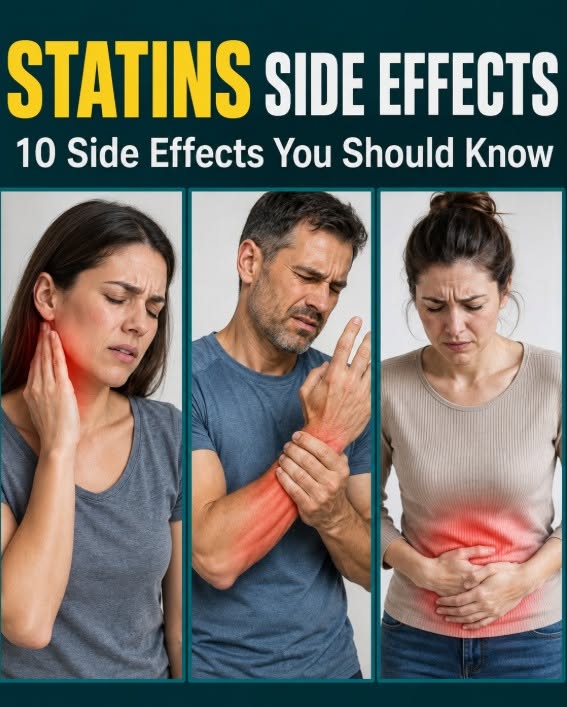
Statin Side Effects: 10 Important Things to Know Before Making Changes
Millions of people take statins to lower cholesterol and reduce the risk of heart attack and stroke.
But when someone starts noticing muscle aches, fatigue, or other changes, an understandable question often follows:
“Could my medication be causing this?”
The answer can be complicated.
Statins can cause side effects in some people, but many symptoms have other possible explanations—and stopping a statin on your own can increase cardiovascular risk.
Before making any changes, here are 10 important things to know.
1. Muscle Symptoms Can Occur
Some people taking statins report muscle aches, tenderness, cramps, or weakness.
However, muscle symptoms can also come from exercise, injuries, thyroid problems, vitamin deficiencies, other medications, or unrelated health conditions.
Don’t automatically assume the statin is responsible.
2. Serious Muscle Injury Is Rare
A severe condition called rhabdomyolysis can occur with statins, but it is rare.
Seek urgent medical attention if you develop severe or rapidly worsening muscle pain or weakness, particularly with unusually dark urine or significant illness.
3. Different Statins May Be Tolerated Differently
Experiencing symptoms with one statin doesn’t necessarily mean you can never take another.
A healthcare professional may consider changing the dose, switching to a different statin, or exploring another treatment approach.
4. Your Dose Matters
Higher doses can sometimes increase the likelihood of certain adverse effects.
But the appropriate dose depends on your cardiovascular risk and treatment goals—not simply on whether a lower dose feels better.
Never change the dose without discussing it with your prescriber.
5. Drug Interactions Matter
Some medications and supplements can interact with statins and increase the risk of side effects.
Make sure your doctor or pharmacist knows about everything you’re taking, including over-the-counter medicines and supplements.
6. Liver Problems Are Possible, but Uncommon
Statins can cause changes in liver enzymes in some people.
Severe liver injury is uncommon, but symptoms such as yellowing of the skin or eyes, unusually dark urine, or severe unexplained fatigue should be medically evaluated.
7. Blood Sugar Can Change Slightly
Statins can cause a small increase in blood glucose in some people.
For many patients, the cardiovascular benefits of statin treatment outweigh this potential risk.
Your individual situation matters, particularly if you already have diabetes or are at high risk of developing it.
8. Don’t Blame Every Symptom on Your Statin
This is an important one.
If you develop fatigue, joint pain, cramps, or another symptom after starting treatment, there may be several possible causes.
Your clinician may review your medications, medical history, laboratory results, and timing of symptoms before deciding what to do.
9. Stopping Suddenly Isn’t the Answer
If you think your statin is causing problems, don’t simply throw the bottle away.
Stopping treatment without medical guidance may leave your cholesterol inadequately controlled and can increase your cardiovascular risk.
Instead, contact your prescriber.
There may be several ways to address side effects while continuing to protect your heart.
10. The Benefits and Risks Are Personal
The decision to take a statin isn’t based on cholesterol numbers alone.
Healthcare professionals consider factors such as age, cardiovascular history, cholesterol levels, diabetes, blood pressure, smoking status, and overall cardiovascular risk.
That’s why advice that works for one person may not be appropriate for another.
The Bottom Line
Statins aren’t completely free of side effects—but they’re also not medications that everyone should fear.
For people who need them, statins can substantially reduce the risk of cardiovascular events.
If you’re experiencing possible side effects, the best next step is not to stop treatment on your own.
Talk with your doctor or pharmacist and explain exactly what you’re experiencing.
Sometimes a dose adjustment, a different statin, a medication review, or another treatment strategy can make a significant difference.
❤️ Save this post and share it with someone taking a statin who may be wondering about side effects.
This article is for general education and isn’t a substitute for individualized medical advice.