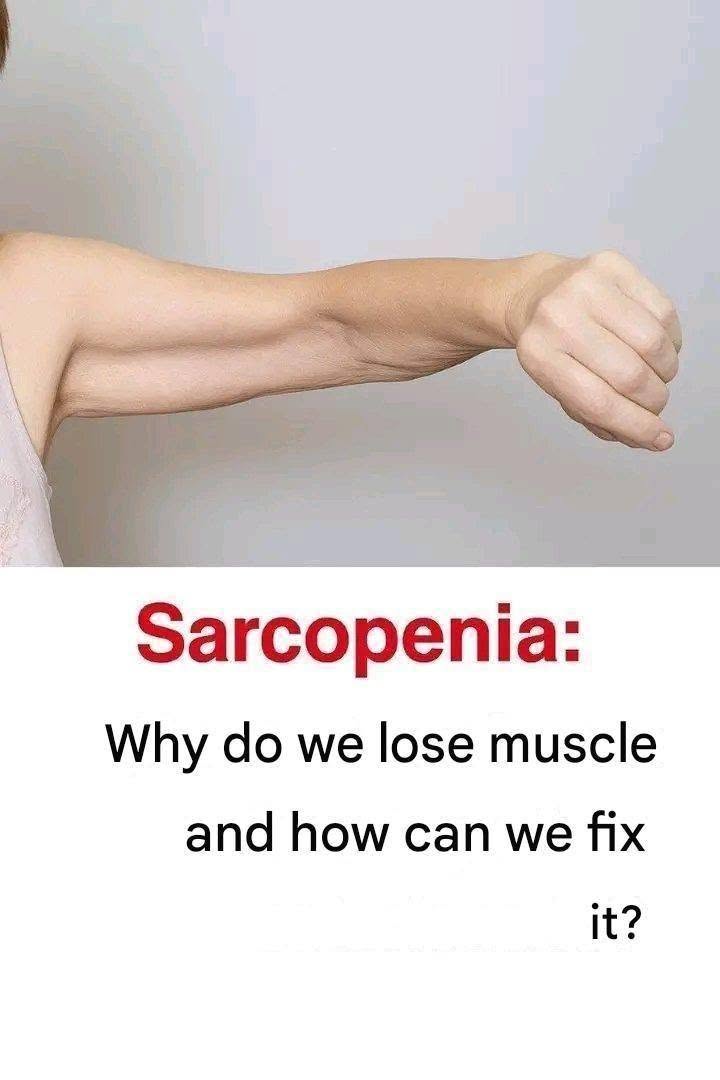
Sarcopenia: Causes of Muscle Loss and Solutions
Sarcopenia is the gradual loss of muscle mass, strength, and physical function. It becomes more common with aging, but muscle loss isn’t an unavoidable part of getting older. Lifestyle, nutrition, illness, and inactivity can all contribute.
What Causes Muscle Loss?
1. Aging
As we get older, the body becomes less efficient at building and maintaining muscle.
2. Physical inactivity
Long periods of sitting, bed rest, or avoiding exercise can cause muscles to weaken surprisingly quickly.
3. Not getting enough protein
Protein provides the amino acids needed to maintain and repair muscle tissue. Consistently inadequate protein intake can make muscle loss more likely.
4. Poor nutrition
Not eating enough calories or getting too few essential nutrients can contribute to loss of muscle and strength.
5. Chronic illnesses
Some long-term health conditions can increase inflammation, reduce activity, or otherwise accelerate muscle loss.
6. Hormonal changes
Changes in hormones that occur with aging and certain medical conditions can affect muscle maintenance.
How Can You Help Maintain Muscle?
🏋️ Strength Training
Resistance exercise is one of the most effective ways to preserve or improve muscle strength. Depending on your abilities, this can include weights, resistance bands, machines, or body-weight exercises.
🥚 Eat Enough Protein
Include protein-rich foods throughout the day, such as eggs, fish, poultry, dairy products, beans, lentils, tofu, nuts, and seeds.
Older adults may have different protein needs depending on their health and activity level, so individualized advice from a healthcare professional or dietitian can be useful.
🚶 Keep Moving
Walking, climbing stairs, and other regular physical activity help maintain mobility and complement strength training.
😴 Prioritize Recovery
Adequate sleep and recovery give your body time to repair and adapt to exercise.
🩺 Address Underlying Problems
If you’re experiencing unexplained muscle loss, increasing weakness, frequent falls, difficulty climbing stairs, or trouble getting up from a chair, speak with a healthcare professional. They can assess your strength and look for underlying causes.
The Good News
Muscle loss doesn’t have to mean giving up strength and independence. Regular resistance exercise, adequate nutrition, sufficient protein, and staying physically active can help protect muscle as you age.
The goal isn’t simply to look stronger—it’s to remain mobile, independent, and capable of doing the things you enjoy.