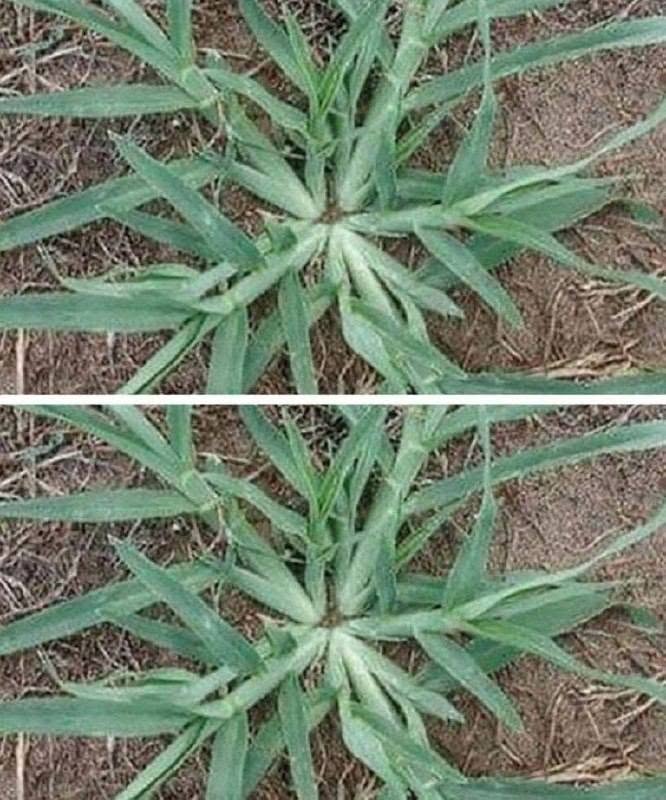
Never Uproot This Plant If It Appears in Your Garden 🌿—Here’s Why
You may see this plant growing unexpectedly in your garden and immediately think:
“That’s a weed. I need to pull it out.”
But before you reach for your gardening gloves, take a closer look.
Some plants that appear on their own can actually be useful to your garden ecosystem. They may provide food for pollinators, help protect the soil, or attract beneficial insects.
One common example is clover.
Rather than automatically removing every patch, consider what it may be doing for your garden.
🌱 Why Clover Can Be Valuable
It attracts pollinators.
Clover flowers can provide nectar for bees and other beneficial insects.
It can help enrich the soil.
Clover is a legume and can form relationships with nitrogen-fixing bacteria in its roots, contributing to the soil’s nitrogen cycle.
It provides ground cover.
A healthy ground cover can help reduce bare soil and erosion.
It can support garden biodiversity.
A garden with a variety of plants can provide habitat and food for different insects and other small organisms.
But Don’t Assume Every Wild Plant Is Beneficial
The phrase “never uproot this plant” makes a great headline, but there’s no single mystery plant that should always be left alone.
Some wild plants can be invasive, poisonous, irritating to the skin, or harmful to pets and children.
If an unfamiliar plant suddenly appears in your yard, identify it before deciding what to do with it.
Take a clear photograph of its leaves, flowers, stem, and overall shape, then use a reliable plant-identification resource or ask a local horticulture expert.
And if you do remove an unknown plant, wear gloves and avoid touching your face until you’ve washed your hands.
🌿 The next time you see a “weed,” don’t pull it automatically.
Sometimes that unexpected plant may be doing more for your garden than you realize.