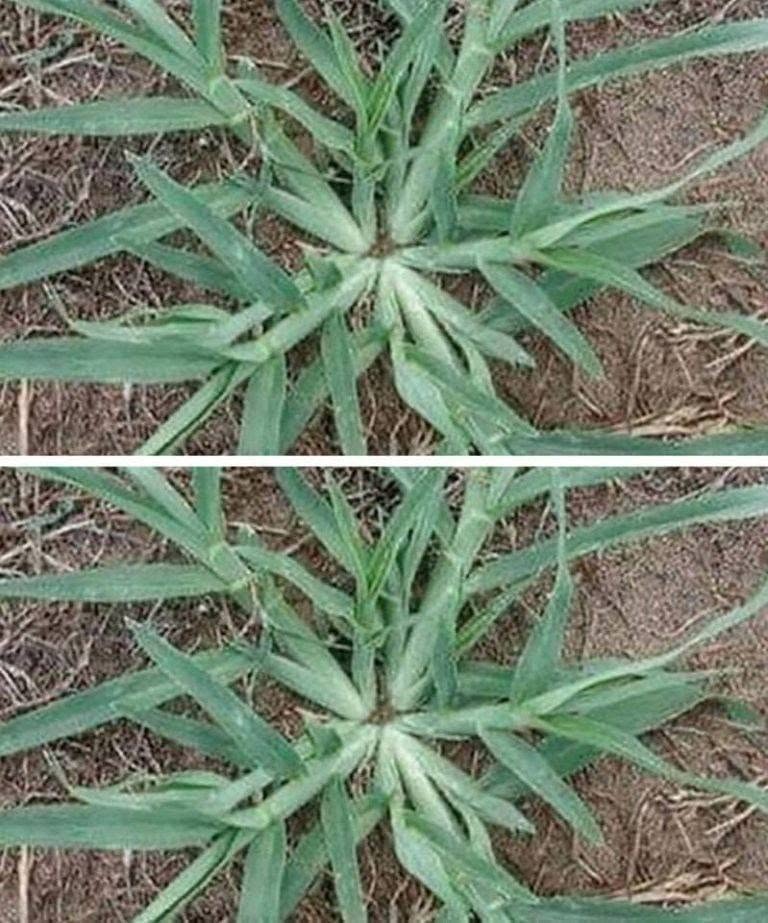
Never Uproot This Plant If It Appears in Your Garden—It May Be More Valuable Than You Think
Have you ever spotted an unfamiliar plant growing in your garden and immediately thought, “That needs to go”?
Before reaching for the shovel, take a closer look.
Some plants that appear unexpectedly in lawns, flower beds, or cracks in the soil are dismissed as weeds, even though they can provide food for pollinators, support local wildlife, improve soil health, or have traditional uses.
One plant frequently described online as a “never uproot” plant is dandelion.
Why dandelions deserve a second look
Dandelions are often treated as unwanted lawn weeds, but they can be surprisingly useful members of an ecosystem.
Their bright yellow flowers provide nectar and pollen for insects, particularly early in the season when fewer flowers may be available.
Their long taproots can also reach deeper into the soil than many common lawn plants, bringing nutrients closer to the surface when the plant eventually decomposes.
And almost every part of the dandelion has traditionally been used in food or herbal preparations.
The flowers aren’t the only interesting part
The familiar yellow flower eventually transforms into the fluffy seed head that children love to blow into the wind.
Those seeds are easily carried by air, allowing dandelions to spread rapidly.
Their leaves can also be eaten when correctly identified and prepared, although their bitter flavor isn’t for everyone.
The roots have traditionally been roasted and used as a coffee substitute.
But don’t believe every viral claim
You’ll often see social-media posts claiming that a particular “weed” can cure diseases, replace medicines, or provide extraordinary health benefits.
Those claims shouldn’t automatically be trusted.
A plant can have nutritional or ecological value without being a treatment for a medical condition.
And not every wild plant is safe to eat.
Before removing a mystery plant
If an unfamiliar plant appears in your garden, consider identifying it first.
Look at:
- The shape of its leaves
- Its flowers
- The stem
- How the leaves are arranged
- Whether it has thorns, hairs, or milky sap
- Where and how it is growing
A plant-identification app or local extension service can help you determine what you’ve found.
Most importantly, never eat a wild plant based solely on a social-media photograph.
Some harmless-looking plants have poisonous look-alikes.
Sometimes the “weed” is part of the garden
A perfectly manicured lawn may look beautiful, but a garden containing a variety of plants can provide considerably more habitat for insects and other wildlife.
So the next time a little yellow flower appears between your grass, don’t automatically reach for the shovel.
Take a moment.
Identify it first.
You might discover that the plant you were about to remove is actually one of the most interesting little visitors in your garden.