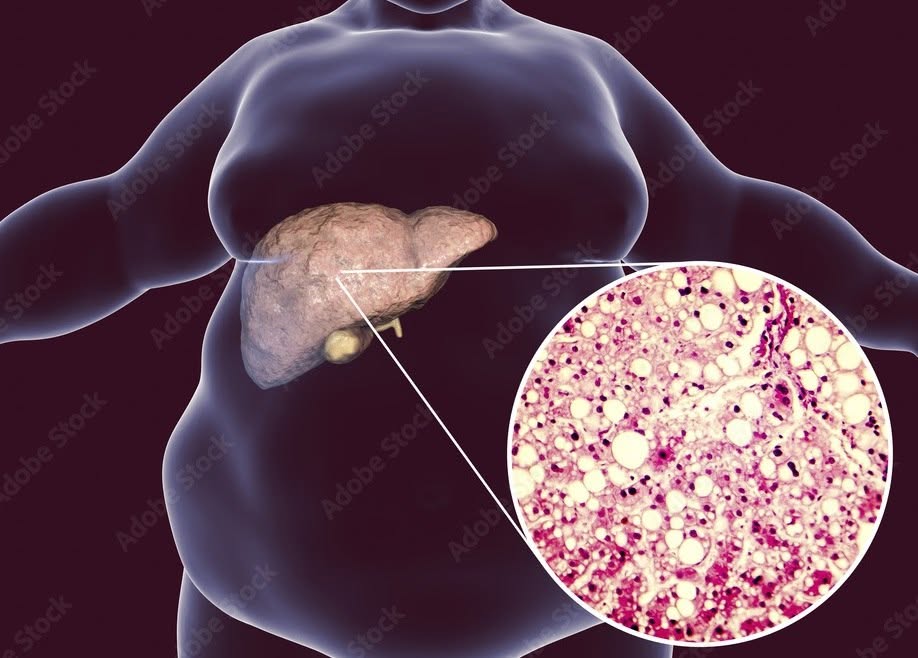
Fatty Liver: Symptoms, Causes, Types & Home Remedies
Fatty liver disease is a common condition in which excess fat builds up in the liver. It can develop without obvious symptoms, which is one reason it may go unnoticed for years.
The good news is that, for many people, lifestyle changes can help reduce liver fat and lower the risk of complications.
What Is Fatty Liver?
A healthy liver contains some fat, but too much fat can interfere with normal liver function.
Fatty liver disease is broadly divided into two main types:
1. Metabolic Dysfunction-Associated Steatotic Liver Disease (MASLD)
MASLD is associated with metabolic factors such as excess body weight, insulin resistance, type 2 diabetes, high cholesterol, and high blood pressure. It was previously known as nonalcoholic fatty liver disease (NAFLD).
2. Alcohol-Associated Liver Disease
Regularly drinking excessive amounts of alcohol can cause fat to accumulate in the liver. Continued alcohol-related liver injury can eventually lead to inflammation, scarring, cirrhosis, and other serious complications.
A person can also have more than one contributing factor.
Common Symptoms of Fatty Liver
Early fatty liver disease often causes no symptoms at all.
When symptoms do occur, they may include:
- Fatigue or unusual tiredness
- A feeling of discomfort or fullness in the upper-right abdomen
- General weakness
- Occasionally, unexplained weight loss
More advanced liver disease can produce warning signs such as yellowing of the skin or eyes, swelling in the abdomen or legs, easy bruising, confusion, or significant changes in overall health.
These symptoms require medical evaluation.
What Causes Fatty Liver?
Several factors can increase the likelihood of developing fatty liver, including:
- Overweight or obesity
- Insulin resistance or type 2 diabetes
- High triglycerides or cholesterol
- High blood pressure
- A diet high in added sugars and highly processed foods
- Physical inactivity
- Excessive alcohol consumption
- Certain medications or medical conditions
Fatty liver isn’t simply a condition caused by eating one particular food. It usually develops from a combination of metabolic, lifestyle, genetic, and other factors.
Can Fatty Liver Be Reversed?
In many people, lifestyle changes can reduce liver fat and improve liver health.
If you have excess weight, gradual and sustainable weight loss can be particularly helpful. Even a modest reduction in body weight may improve liver fat, while greater weight loss can provide additional benefits for some people.
Avoid crash diets and extreme fasting. A healthcare professional or registered dietitian can help you choose a safe approach.
Foods That May Support Liver Health
Rather than relying on a “liver cleanse,” focus on an overall healthy eating pattern.
Good choices can include:
- Vegetables and fruits
- Beans and lentils
- Whole grains
- Nuts and seeds
- Fish and other lean protein sources
- Unsaturated fats such as those found in olive oil
- Plain yogurt or other minimally processed foods, when appropriate
Try to reduce foods high in added sugar, refined carbohydrates, saturated fat, and excess calories.
Sugary beverages deserve particular attention because they can add substantial amounts of sugar and calories without making you feel very full.
Exercise Matters Too
Regular physical activity can benefit liver health even when substantial weight loss doesn’t occur.
Aim for a combination of aerobic activity and muscle-strengthening exercise, adjusted to your fitness level and medical circumstances.
If you’re currently inactive, start gradually rather than attempting an intense workout routine immediately.
What About Home Remedies?
You may see claims online about lemon water, apple cider vinegar, herbal teas, supplements, or “detox” drinks reversing fatty liver.
There is no magic home remedy that cleanses or repairs the liver overnight.
Some supplements can interact with medications, and certain concentrated herbal products have themselves been associated with liver injury. Don’t assume that “natural” means safe.
The most reliable home-based approach is a sustainable diet, regular activity, healthy weight management, good sleep, and avoiding excessive alcohol.
When Should You See a Doctor?
Because fatty liver can be silent, talk with a healthcare professional if you have risk factors such as obesity, diabetes, abnormal cholesterol or triglycerides, or heavy alcohol use.
Seek prompt medical attention if you develop symptoms such as yellow skin or eyes, severe or persistent abdominal pain, vomiting blood, black stools, confusion, or significant abdominal swelling.
A clinician may use blood tests, imaging, and sometimes additional testing to determine whether liver fat or liver damage is present.
Final Takeaway
Fatty liver is common, but it shouldn’t be ignored. The condition can range from simple fat accumulation to inflammation and progressive liver scarring.
The most effective “home remedy” isn’t a special detox drink—it’s a long-term commitment to healthy eating, regular physical activity, appropriate weight management, and limiting alcohol.
If you suspect you have fatty liver, getting evaluated is the best way to understand what’s causing it and whether your liver has been damaged.