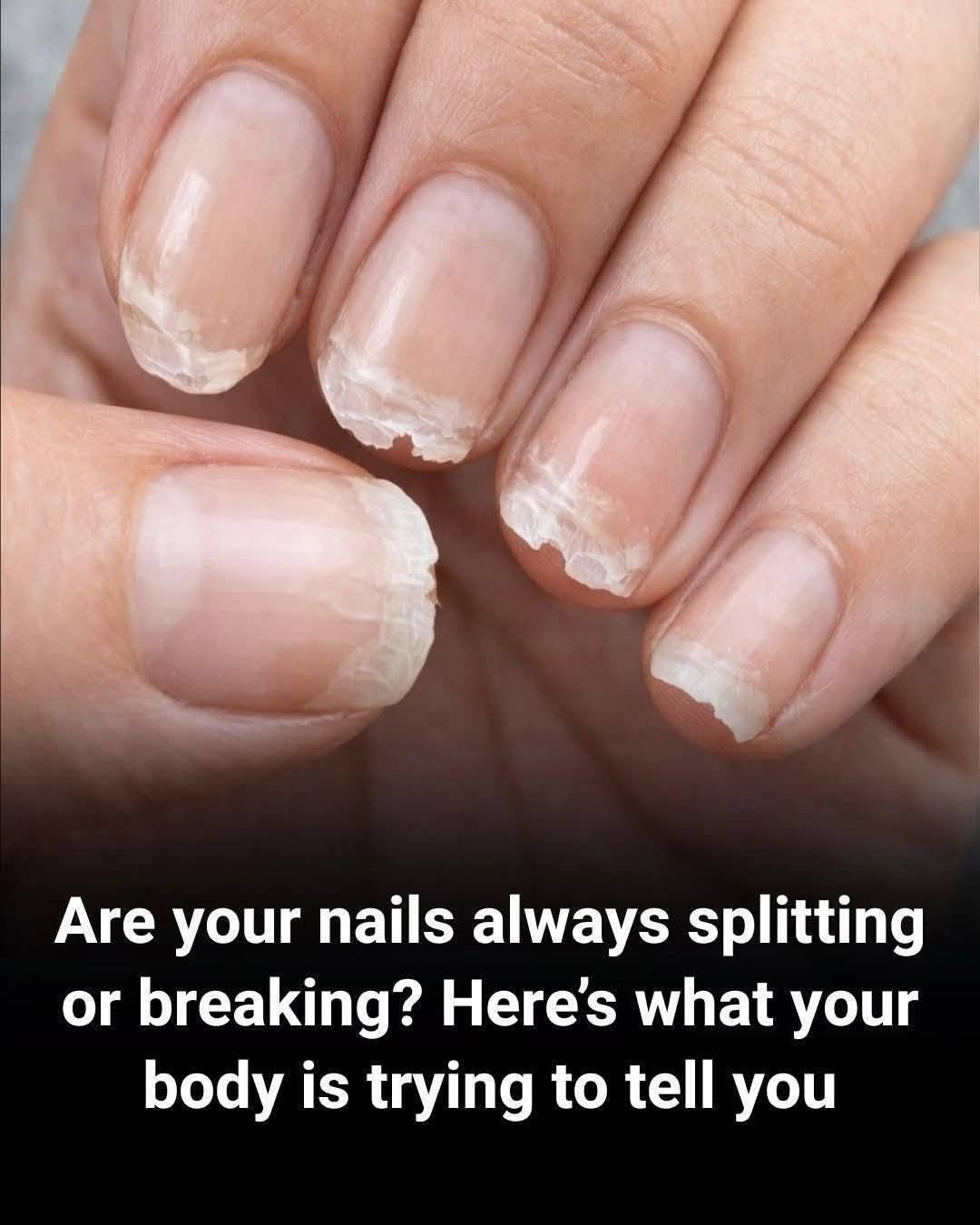
Brittle or Fragile Nails: What Your Body May Be Trying to Tell You
Do your nails split, peel, crack, or break easily?
Brittle nails are extremely common, and in many cases they’re caused by everyday factors such as repeated exposure to water, cleaning products, nail polish removers, or physical trauma. But sometimes changes in the nails can be associated with an underlying health problem.
Your nails can provide clues about your general health—but a nail change by itself usually cannot diagnose a specific disease.
Here are some of the most common reasons nails become fragile.
1. Frequent Exposure to Water
Repeatedly getting your hands wet and then allowing them to dry can weaken the nail structure over time.
People who frequently wash dishes, clean, wash their hands, or work with water may be more likely to develop splitting and peeling nails.
Wearing protective gloves during wet or cleaning tasks can help.
2. Harsh Chemicals
Cleaning products, detergents, solvents, and some nail products can dry or irritate the nails and surrounding skin.
Frequent use of acetone-based nail-polish remover may also contribute to dryness and brittleness.
Give your nails breaks from harsh products when possible.
3. Aging
Nails naturally change as we get older.
They may become thinner, drier, slower-growing, or more prone to splitting. This is a common reason older adults notice increased nail fragility.
4. Iron Deficiency
Low iron levels can sometimes be associated with nail changes, including brittle nails.
In more pronounced cases, nails may become unusually thin or develop a concave, spoon-shaped appearance.
However, brittle nails alone don’t prove that someone has an iron deficiency. A blood test may be needed to determine whether iron levels are actually low.
5. Thyroid Problems
Changes in thyroid function can affect the skin, hair, and nails.
Both an underactive and an overactive thyroid can cause changes in nail growth or appearance in some people.
If brittle nails occur along with unexplained tiredness, weight changes, temperature sensitivity, hair changes, or other symptoms, speak with a healthcare professional.
6. Nutritional Problems
The body needs adequate nutrition to maintain healthy skin, hair, and nails.
Poor overall nutrition or certain nutritional deficiencies can affect nail growth.
However, taking high-dose vitamins or supplements isn’t automatically the answer. Some supplements can be harmful in excessive amounts.
A healthcare professional can help determine whether testing or supplementation is actually necessary.
7. Nail Infections
Fungal nail infections can cause nails to become thick, discolored, crumbly, or distorted.
They don’t always look like simple brittle nails.
If a nail becomes increasingly thick, yellow, white, brown, separated from the nail bed, or difficult to trim, it should be evaluated.
8. Repeated Nail Trauma
Picking at nails, biting them, aggressive manicures, removing artificial nails, or repeatedly hitting the nails can damage the nail plate.
Even small amounts of repeated trauma can eventually lead to splitting or peeling.
9. Skin Conditions
Conditions such as eczema, psoriasis, or other inflammatory skin disorders can affect the nails.
You may notice pits, ridges, discoloration, separation from the nail bed, or changes in nail thickness.
If nail changes occur alongside persistent skin problems, medical evaluation can help identify the cause.
What Can You Do About Brittle Nails?
Simple nail-care habits can make a significant difference.
Keep Nails Moisturized
Apply a moisturizing cream or ointment to your nails and cuticles regularly, especially after washing your hands.
Protect Your Hands
Wear gloves when washing dishes, cleaning, or working with chemicals.
Keep Nails at a Comfortable Length
Shorter nails are generally less likely to catch on objects and split.
Avoid Picking or Biting
Repeated trauma can make already fragile nails even weaker.
Take Breaks From Harsh Nail Treatments
Give your nails time to recover if you frequently use artificial nails, gels, acrylics, or strong removers.
Eat a Balanced Diet
Include adequate protein, iron-rich foods, fruits, vegetables, and other nutrient-dense foods as part of a balanced diet.
Don’t assume you need supplements simply because your nails are breaking.
When Should You See a Doctor?
Consider seeing a healthcare professional if nail changes:
- Develop suddenly
- Affect many nails without an obvious reason
- Continue despite improving nail care
- Are accompanied by significant fatigue or other unexplained symptoms
- Cause pain, swelling, or drainage
- Include major discoloration or separation from the nail bed
- Produce a new dark streak or rapidly changing mark on one nail
A healthcare professional can examine the nails and decide whether tests are needed.
The Bottom Line
Brittle nails are usually not a sign of something dangerous. Everyday exposure to water, chemicals, nail treatments, and physical trauma are common causes.
However, persistent or unusual nail changes can sometimes be associated with nutritional deficiencies, thyroid problems, infections, or skin conditions.
Don’t panic over a cracked nail—but don’t ignore persistent changes either. Healthy nails start with gentle nail care, good nutrition, and attention to changes that don’t go away.