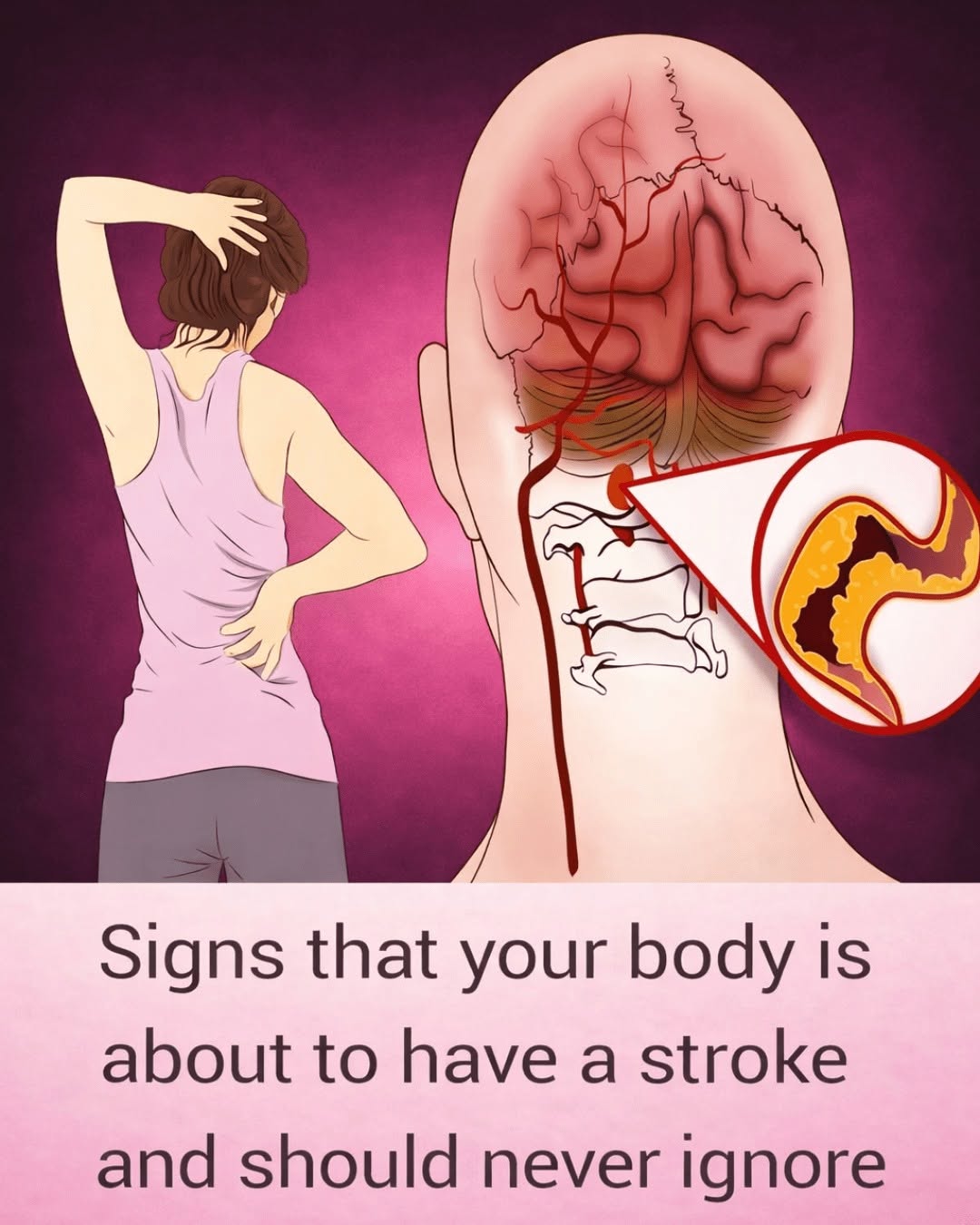
10 Early Warning Signs of a Stroke Everyone Should Know
A stroke can happen suddenly, and every minute matters. Recognizing the warning signs and getting emergency medical help quickly can reduce the risk of permanent brain damage and disability.
Some symptoms may be obvious, while others can be subtle. Here are 10 important warning signs to know.
1. Sudden weakness or numbness
One side of the face, arm, or leg may suddenly feel weak or numb. This is especially concerning when it affects only one side of the body.
2. A sudden drooping face
Ask the person to smile.
If one side of the face droops or the smile looks uneven, treat it as a potential stroke warning sign.
3. Difficulty speaking
A person may suddenly slur their words, have trouble finding words, or be unable to speak clearly.
4. Trouble understanding speech
Someone experiencing a stroke may suddenly seem confused or unable to understand what others are saying.
5. Sudden vision problems
Blurred, double, or lost vision in one or both eyes can occur during a stroke.
6. Sudden severe headache
A sudden, unusually severe headache—particularly one without an obvious cause—can be a warning sign, especially when accompanied by other neurological symptoms.
7. Sudden dizziness or loss of balance
A person may suddenly become dizzy, unsteady, or have difficulty walking.
8. Sudden confusion
Unexpected confusion, disorientation, or difficulty performing a familiar task can signal a neurological emergency.
9. Trouble coordinating movements
Sudden difficulty controlling an arm or leg, reaching accurately, or walking normally can be a warning sign.
10. Symptoms that disappear
This is important.
Stroke-like symptoms can sometimes disappear after a few minutes. This may be a transient ischemic attack (TIA), sometimes called a “mini-stroke.”
A TIA is still an emergency because it can warn of a future major stroke.
🚨 Remember FAST
A simple way to recognize common stroke symptoms is FAST:
F — Face: Is one side drooping?
A — Arms: Can the person raise both arms?
S — Speech: Is speech slurred or unusual?
T — Time: Call emergency medical services immediately if you notice these symptoms.
Don’t wait to see whether symptoms improve.
What should you do?
If you suspect that someone is having a stroke, call your local emergency medical service immediately. Note the time the symptoms started—or the last time the person was known to be well—and tell emergency responders.
Don’t drive the person yourself if emergency medical services are available; an ambulance team can begin assessment and care on the way to the hospital.
One final warning
A stroke doesn’t always look dramatic.
Sudden weakness, speech difficulty, vision changes, confusion, severe headache, dizziness, or loss of coordination can all require urgent evaluation.
If you’re unsure whether the symptoms are a stroke, it’s safer to seek emergency medical help rather than wait.
This article is for general education and doesn’t replace emergency medical care or advice from a healthcare professional.