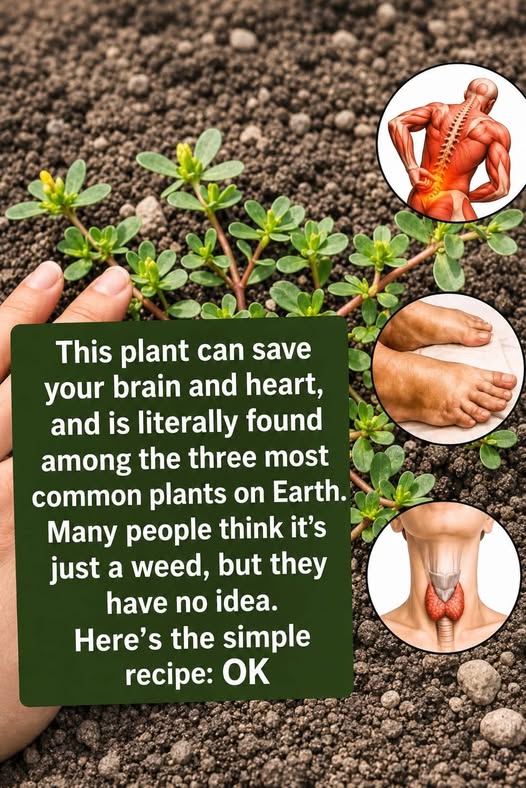
🌿 The Most Powerful Plant in the World… Nature’s Remarkable Gift!
Have you ever wondered which plant deserves to be called the most powerful in the world? 🌱 From ancient healing traditions to modern scientific research, plants have played an extraordinary role in human health, nutrition, and everyday life.
But here’s something fascinating: there is no single plant that is scientifically recognized as the most powerful in the world. Different plants offer different benefits, depending on their nutrients, natural compounds, and how they are used.
Let’s explore some remarkable plants that have earned attention around the world! 🌍💚
🌿 1. Moringa — The Nutrient-Rich Tree
<text>Often called the “miracle tree,” moringa is valued for its edible leaves, which contain vitamins, minerals, fiber, and other beneficial plant compounds.</text>
🥬 Potential benefits:
- Provides nutrients that support normal body functions.
- Contains antioxidants.
- Can contribute to a balanced, varied diet.
Moringa is nutritious, but claims that it cures diabetes, cancer, or other serious diseases are not supported by sufficient evidence.
🫚 2. Ginger — A Powerful Kitchen Ingredient
Ginger has been used in cooking and traditional remedies for centuries. Its natural compounds have been studied for their potential health effects.
✨ Ginger may help relieve certain types of nausea and can be a useful addition to a balanced diet.
🧄 3. Garlic — Small Bulb, Remarkable Research
Garlic contains sulfur-containing compounds, including allicin, that contribute to its distinctive smell and biological activity.
❤️ Research suggests that garlic may modestly improve some cardiovascular risk factors in certain people, but it is not a substitute for prescribed medication.
🌿 4. Turmeric — The Golden Spice
Turmeric contains curcumin, a compound studied for its anti-inflammatory properties.
💛 Although research is ongoing, turmeric is not a proven cure for arthritis, cancer, or other major illnesses. Supplements can also interact with medications, so seek professional advice before using high doses.
🍃 5. Green Tea — A Source of Antioxidants
Green tea contains catechins, a group of plant compounds with antioxidant activity.
🍵 Enjoyed without excessive added sugar, it can fit into a healthy eating pattern. However, concentrated green-tea extracts are not risk-free and have occasionally been associated with liver injury.
🌱 What Makes a Plant Truly Powerful?
A plant’s value depends on more than its reputation. Important factors include:
- Nutritional content: The vitamins, minerals, and fiber it provides.
- Scientific evidence: Whether research supports the claimed benefit.
- Safety: The correct preparation, amount, and possible interactions with medication.
- Everyday use: Whether it contributes to a varied and balanced diet.
⚠️ A Word of Caution
Natural does not always mean safe. Some plants can be poisonous, trigger allergic reactions, or interfere with medicines. Be especially cautious of products promising to cure serious diseases or deliver dramatic results overnight.
💚 The Takeaway
Moringa, ginger, garlic, turmeric, and green tea are all examples of plants with interesting nutritional properties and potential health benefits. Yet no single plant can replace a balanced diet, appropriate medical care, or treatments proven to work.
🌿 Nature offers remarkable resources—but the greatest benefits come from using them wisely and understanding what science actually supports.