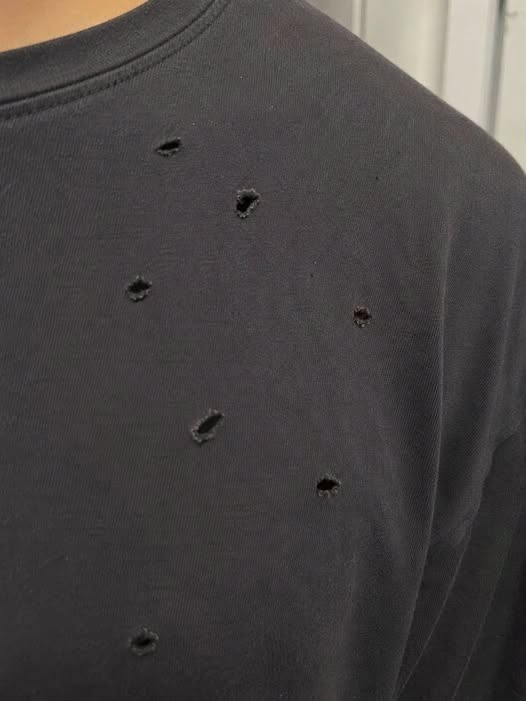
Why Are There Holes in My Clothes? Here’s What Might Be Eating Them? 😱
Have you ever pulled your favorite shirt out of the closet only to discover a tiny hole in it? Then, a few days later, you notice another hole—and another one—and suddenly several pieces of clothing are damaged.
If this keeps happening, you’re probably wondering: What on earth is causing these holes?
Don’t panic! In many cases, the culprit is not your washing machine or poor-quality clothing. Tiny fabric-eating pests may be responsible.
1. Clothes Moths
One of the most common causes of unexplained holes is the clothes moth.
Adult moths aren’t usually the problem. Their larvae are. The larvae feed on natural animal fibers such as:
- Wool
- Cashmere
- Silk
- Fur
- Feathers
- Some blended fabrics
They prefer dark, quiet places, so closets, drawers, carpets, and storage boxes can provide an ideal environment.
The holes they create can be very small at first but may become larger as the damage continues.
2. Carpet Beetles
Another common culprit is the carpet beetle.
Like clothes moths, carpet beetle larvae can damage natural fabrics. They may hide in closets, under furniture, around carpets, or in other undisturbed areas.
You might not see the insects themselves because the larvae are small and can remain hidden for quite a while.
Look for tiny shed skins, fuzzy larvae, or damaged areas around stored clothing.
3. Silverfish
Silverfish can also damage certain fabrics, especially when they are attracted to starches, glues, paper, or residues on clothing.
They generally prefer damp, dark environments. If you have a humid closet, basement, bathroom, or storage area, it may provide conditions they like.
Unlike moth larvae, silverfish aren’t usually the first suspect when you see widespread clothing damage—but they can contribute to holes in some circumstances.
4. Something You’re Doing to the Fabric?
Not every hole is caused by an insect.
Repeated friction can weaken fabric over time. For example, small holes around the stomach area of T-shirts may result from rubbing against countertops, belts, desks, or other surfaces.
Zippers, buttons, rough bags, and even jewelry can also catch fabric and create tiny tears.
If the holes appear mostly in the same location on shirts, consider whether something is repeatedly rubbing against that area.
5. Your Washing Machine or Dryer
Laundry appliances can occasionally damage clothing, particularly if there is a sharp edge, damaged seal, loose component, or something trapped inside.
A garment that gets caught repeatedly can develop tears or holes.
Check the inside of your washer and dryer carefully. Run your hand around accessible areas only when the appliance is switched off and safe to inspect.
How Can You Find the Culprit?
Start by examining both your clothing and the area where you store it.
Look for:
- Small larvae or insects
- Shed insect skins
- Webbing or silk-like material
- Unusual debris around shelves or drawers
- Damage to wool or other natural-fiber garments
- Holes concentrated in one particular area
Pay special attention to clothes that have been stored for a long time without being disturbed.
How to Protect Your Clothes
Once you suspect pests, don’t simply move the damaged clothes to another closet. That could spread the problem.
Wash or clean garments according to their care labels. For items that cannot be washed, consider professional cleaning or another treatment appropriate for the fabric.
Thoroughly clean closets, drawers, shelves, carpets, and other areas where clothing is stored. Vacuum cracks and hidden corners, then dispose of the vacuum contents appropriately.
For valuable or delicate clothing, professional pest-control or garment-care advice may be worthwhile.
Don’t Ignore the First Hole!
A single unexplained hole might be an accident. But if new holes keep appearing on multiple garments, it’s worth investigating.
The earlier you identify the cause, the easier it can be to prevent further damage.
So before blaming your washing machine—or throwing away your entire wardrobe—take a close look at your closet and storage areas.
That tiny hole may be giving you a very important clue! 👕🔍
Have you ever discovered mysterious holes in your clothes? What did you eventually discover was causing them? Share your experience in the comments!