What to Do If You Start Seeing Eye Floaters: An Eye Doctor’s Helpful Guide 👁️
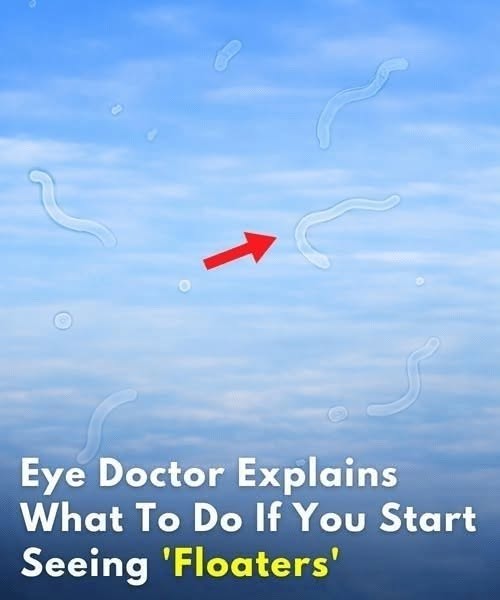
Have you ever noticed tiny spots, threads, cobwebs, or shadows drifting across your vision? These are commonly called eye floaters.
They can be annoying, but many floaters are harmless. They often occur when the gel-like substance inside the eye, called the vitreous, naturally changes with age.
However, new or sudden floaters shouldn’t always be ignored.
1. Don’t Panic—but Pay Attention
A few occasional floaters that have been present for a long time and haven’t changed may not be a serious problem.
But if you suddenly notice many new floaters, take the change seriously.
2. Watch for Flashes of Light
Seeing sudden flashes, especially in your peripheral vision, together with new floaters can sometimes happen when the vitreous pulls on the retina.
This needs prompt assessment by an eye professional.
3. Look for a Dark Curtain or Shadow
A dark curtain, veil, or shadow moving across part of your vision is an emergency warning sign. It can indicate a retinal tear or retinal detachment, which can threaten vision.
4. Don’t Wait for It to Go Away
A sudden shower of floaters, particularly when accompanied by flashes or reduced vision, should be evaluated urgently rather than monitored at home.
5. Get Regular Eye Examinations
Regular comprehensive eye exams can help detect changes in the retina and other parts of the eye, particularly as you get older or if you have risk factors for eye disease.
When Should You Seek Urgent Care?
🚨 Seek urgent eye care if you suddenly develop:
- A large increase in floaters
- New flashes of light
- A dark curtain or shadow over your vision
- Sudden blurred or reduced vision
- A missing area of your visual field
These symptoms can have causes other than retinal detachment, but only an eye examination can determine what’s happening.
The Bottom Line
Most floaters aren’t dangerous, but a sudden change in your floaters is different from the occasional floater you’ve had for years.
If your vision suddenly changes, don’t wait and hope it disappears. Getting your eyes checked promptly could help protect your sight.