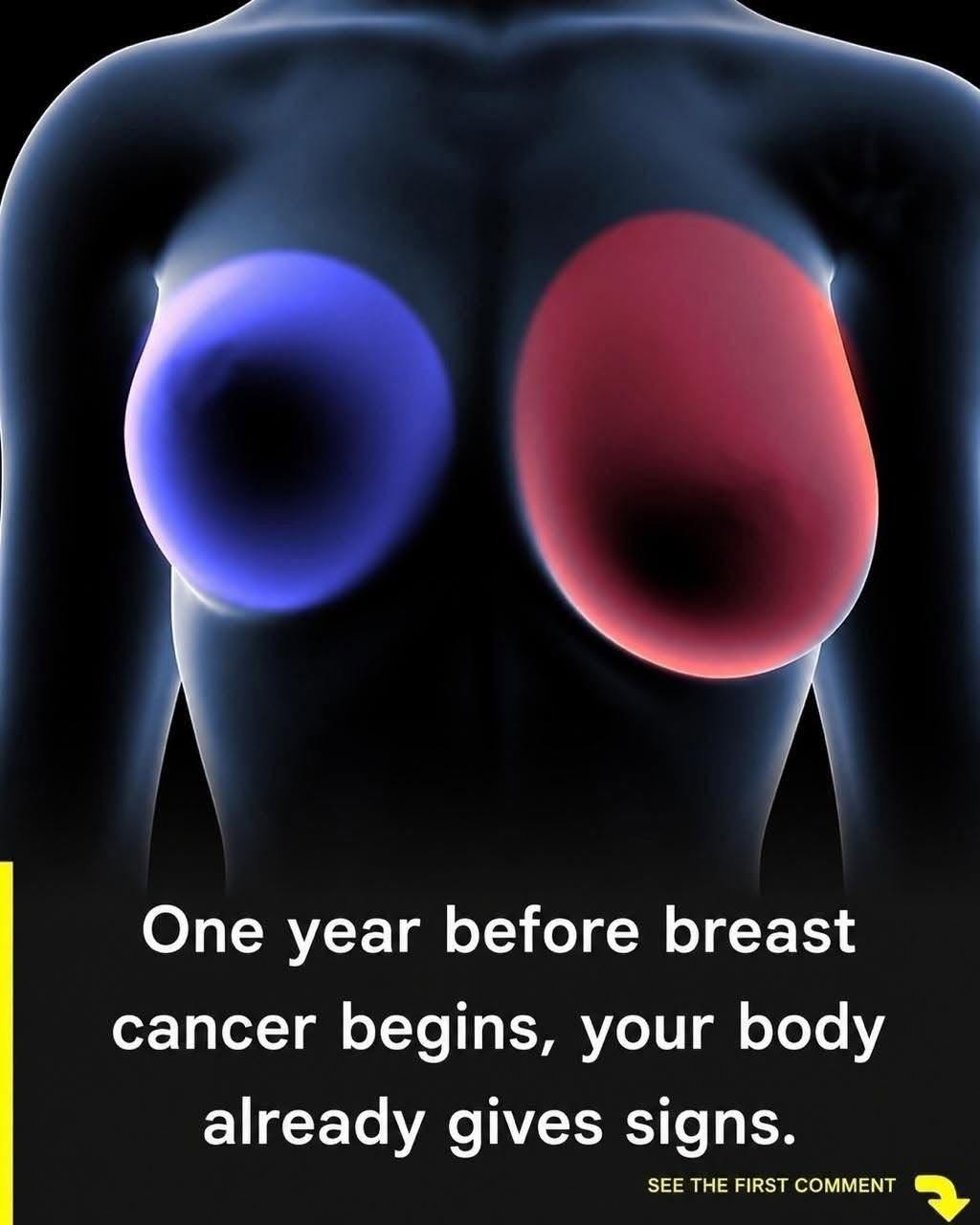
Breast Cancer: 4 Early Signs Every Woman Should Know
Breast cancer doesn’t always cause obvious symptoms in its early stages. Sometimes the first noticeable change is something as simple as a new lump, a change in the skin, or an unusual change in the nipple.
Knowing what is normal for your breasts can help you notice changes that deserve medical attention.
Most breast changes are not caused by cancer. However, a new or unusual change should be checked rather than ignored.
1. A New Lump or Thickened Area
One of the most recognized warning signs of breast cancer is a new lump in the breast or underarm.
A cancerous lump may feel hard, irregular, or different from the surrounding tissue, but breast cancers don’t all feel the same.
Many breast lumps are caused by benign conditions such as cysts or fibroadenomas.
If you discover a new lump that doesn’t go away, arrange an appointment with a healthcare professional for evaluation.
2. Changes in the Shape or Size of the Breast
Pay attention to a new or unexplained change in the size, shape, or appearance of one breast.
Sometimes a change may be subtle—for example, one breast may suddenly look different from the other or an area may appear swollen.
Breasts naturally change with age, menstrual cycles, pregnancy, breastfeeding, and hormonal changes, so not every difference is concerning.
The important thing is noticing a new change that isn’t normal for you.
3. Skin Changes on the Breast
Changes to the skin can sometimes be an important warning sign.
Watch for:
- Dimpling or puckering
- Redness or persistent irritation
- Thickening of the skin
- Swelling
- A texture resembling an orange peel
These symptoms can also occur with infections or other non-cancerous conditions, so they don’t automatically mean breast cancer.
Persistent or unexplained changes should be evaluated.
4. Nipple Changes or Unusual Discharge
A newly inverted nipple, persistent nipple changes, or unexpected nipple discharge can sometimes be associated with breast cancer.
Particular attention should be paid to spontaneous discharge that comes from one breast, especially if it is bloody.
However, nipple discharge has many possible causes, including hormonal changes, medications, infections, and benign breast conditions.
A healthcare professional can determine whether further testing is necessary.
What About Breast Pain?
Breast pain by itself is not usually the most typical sign of breast cancer.
Hormonal changes, cysts, medications, injury, infections, and other conditions can cause breast discomfort.
Persistent or unexplained pain should still be discussed with a healthcare professional, especially if it occurs alongside another breast change.
Don’t Wait for Pain
An important point about breast cancer is that it can sometimes develop without noticeable symptoms.
That’s why following recommended breast cancer screening guidelines for your age and individual risk level is important.
Screening recommendations vary between countries and may depend on factors such as age, family history, genetic risk, and previous medical history.
When Should You See a Doctor?
Make an appointment if you notice a new or persistent:
- Breast lump
- Underarm lump
- Change in breast size or shape
- Skin dimpling or thickening
- Persistent redness or swelling
- Nipple inversion
- Unusual nipple discharge
- Other breast changes that are not normal for you
Don’t try to diagnose the change yourself.
A healthcare professional may perform a clinical examination and, depending on the findings, recommend imaging or other tests.
The Bottom Line
Knowing the early warning signs of breast cancer doesn’t mean you should panic whenever you notice a change.
It means you should pay attention to your body and seek medical advice when something is new, unusual, or persistent.
Most breast changes are not cancer—but getting an unusual change checked is always better than ignoring it.
Early detection can make a difference, so know what is normal for you and keep up with recommended screening.