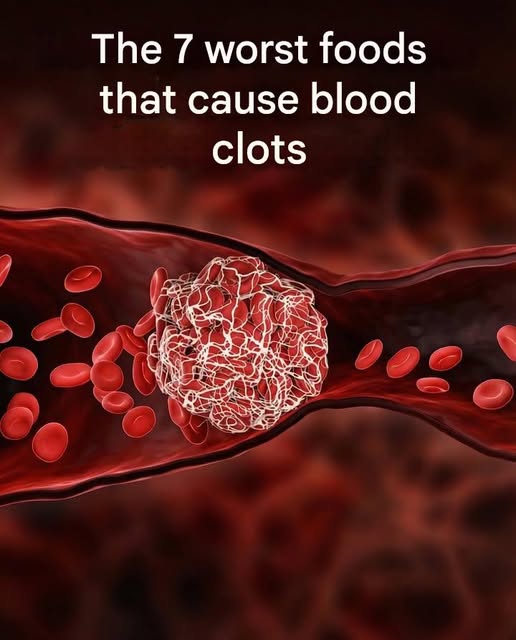
❤️ Blood Circulation: 7 Foods to Include in Your Diet for Better Vascular Health
Your heart works around the clock, pumping blood throughout your body and delivering oxygen and nutrients to your organs. 🫀 Keeping your blood vessels healthy is an important part of protecting your long-term health.
The good news? Everyday food choices can support healthy blood pressure, cholesterol levels, and overall cardiovascular health. But there’s one important thing to remember: no food can guarantee that blood clots will be prevented. A balanced diet works alongside physical activity, medical care, and other healthy habits.
🥗 1. Leafy Green Vegetables
Spinach, kale, and other leafy greens provide folate, fiber, and essential vitamins and minerals.
These vegetables can be part of a heart-healthy eating pattern. If you take warfarin, however, keep your vitamin K intake reasonably consistent rather than suddenly making large changes to how much you eat.
🐟 2. Fatty Fish
Salmon, sardines, and mackerel contain omega-3 fatty acids, which can help lower triglyceride levels.
Try including fish in your meals regularly, following local dietary guidance. Omega-3-rich foods support cardiovascular health, but they are not a substitute for prescribed blood thinners.
🫒 3. Olive Oil
Extra-virgin olive oil contains monounsaturated fats and other compounds that can support a heart-healthy diet.
Use it in salad dressings or as a replacement for some butter and other saturated fats.
🍓 4. Berries
Strawberries, blueberries, and other berries provide fiber and antioxidant compounds.
Enjoy them fresh or frozen as part of breakfast, a snack, or a balanced dessert. They can contribute to a nutritious diet, although they have not been proven to prevent blood clots directly.
🌾 5. Whole Grains
Oats, barley, and whole-wheat foods provide fiber that can help support healthy cholesterol levels.
Choose whole grains more often than refined grains to help maintain overall cardiovascular health.
🥜 6. Nuts and Seeds
Walnuts, almonds, chia seeds, and flaxseeds provide unsaturated fats, fiber, and other nutrients.
A small handful of unsalted nuts or a sprinkle of seeds can make a satisfying addition to meals and snacks.
🫘 7. Beans and Lentils
Beans, chickpeas, and lentils supply plant protein, fiber, and minerals.
They are affordable, versatile ingredients that can replace some processed meats or meals high in saturated fat.
🚶 Everyday Habits That Matter for Blood Clot Prevention
Food is only one part of the picture. Other important steps include:
- Move regularly and avoid sitting still for long periods.
- Stay hydrated, especially during hot weather or illness.
- Avoid smoking.
- Maintain a healthy weight when possible.
- Follow your healthcare professional’s advice if you have a history of blood clots or other risk factors.
- Take prescribed anticoagulant medication exactly as directed.
🚨 Know the Warning Signs
A blood clot can be serious and sometimes life-threatening.
- Possible clot in the leg: New swelling, pain, warmth, or redness, especially in one leg, needs prompt medical assessment.
- Possible clot in the lungs: Sudden shortness of breath, chest pain, coughing up blood, or fainting requires emergency medical care.
💚 Final Thoughts
A varied diet rich in vegetables, fruit, whole grains, legumes, nuts, and healthy fats can help support your heart and blood vessels. The aim is not to find one miracle food, but to build healthy habits that last.
Remember: Foods support cardiovascular health, but they cannot replace medical treatment or reliably prevent every blood clot.
Health disclaimer: This article is for general educational purposes and is not a substitute for professional medical advice.