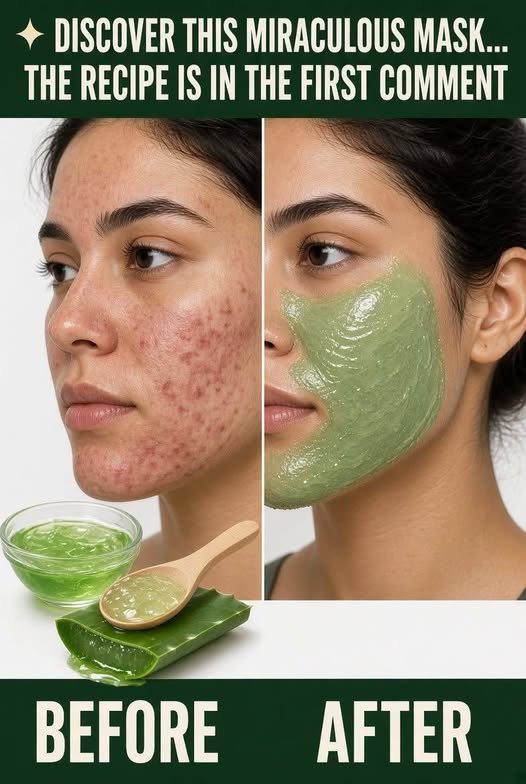
🌿 Aloe Vera and Tea Tree Face Mask: A Natural Skincare Recipe for Clearer, Healthier-Looking Skin
Looking for a simple addition to your skincare routine? ✨ Aloe vera and tea tree oil are popular natural ingredients used in skincare products, particularly those designed for oily or blemish-prone skin.
Aloe vera is known for its lightweight, soothing feel, while tea tree oil has been studied for its potential benefits in managing mild acne. When used carefully, these ingredients may complement a gentle skincare routine—but natural ingredients can still irritate the skin.
Here’s how to approach this DIY face mask safely. 💚
🥒 Why Are Aloe Vera and Tea Tree Oil Popular?
🌱 1. Aloe Vera: A Soothing Skincare Ingredient
Aloe vera gel contains water and plant compounds that can help moisturize the skin and provide a cooling sensation.
Potential benefits include:
- Helping skin feel hydrated.
- Providing temporary soothing relief from mild dryness or irritation.
- Offering a lightweight alternative to heavier creams.
Aloe vera is not a proven cure for acne, dark spots, or wrinkles, and individual results vary.
🌿 2. Tea Tree Oil: An Ingredient Studied for Acne
Tea tree oil is an essential oil with antimicrobial properties. Some research suggests that properly formulated tea tree oil products may help with mild acne.
However, undiluted tea tree oil can cause irritation, allergic reactions, and redness, particularly on sensitive facial skin. It should never be applied directly to the face or mixed into a homemade mask without careful attention to safe formulation.
🧴 A Gentle Aloe Vera Face Mask
For a simpler option, try aloe vera alone rather than adding concentrated essential oil.
Ingredients
- 1 teaspoon of plain aloe vera gel, preferably fragrance-free and formulated for skin.
- A few drops of clean water, if needed to adjust the texture.
How to Use It
- Wash your face with a gentle cleanser.
- Apply a thin layer of the aloe vera gel to a small area of skin first.
- If no irritation develops, apply a thin layer to the face, avoiding the eyes and lips.
- Leave it on briefly, then rinse it off with lukewarm water.
- Apply a gentle, fragrance-free moisturizer.
Stop using the product if you notice burning, itching, redness, or swelling.
⚠️ Important Safety Tips
Before trying any new skincare ingredient, keep these precautions in mind:
- Patch-test first: Test a small area and monitor for irritation over the next 24–48 hours.
- Avoid undiluted tea tree oil: Concentrated essential oils can damage or irritate facial skin.
- Choose suitable products: Commercially formulated products with clear ingredient lists are generally preferable to improvised essential-oil mixtures.
- Avoid broken or irritated skin: Do not apply a DIY mask to open wounds or severely inflamed areas.
- Protect your skin from the sun: Use broad-spectrum SPF 30 or higher during the day, particularly if you are treating acne marks or uneven skin tone.
If you have persistent acne, painful cysts, or worsening skin irritation, a dermatologist can recommend treatments with stronger evidence of effectiveness.
✨ What Results Can You Expect?
Aloe vera may help your skin feel softer and more hydrated, but it will not necessarily eliminate acne, erase scars, or permanently lighten pigmentation. Tea tree oil products may help some people with mild acne, but they are not suitable for everyone.
For healthier-looking skin, consistency matters more than complicated recipes. A gentle cleanser, moisturizer, appropriate acne treatment, and daily sunscreen can form a practical foundation.
💚 Final Thoughts
Aloe vera and tea tree oil are popular natural skincare ingredients, but using them safely is essential. A simple aloe vera mask can be a gentle option for some people, while tea tree oil is best used in a properly formulated skincare product rather than added casually to a homemade mixture.
🌿 Healthy skin doesn’t require harsh treatments or miracle recipes—gentle care, patience, and evidence-based products are often the best place to start.