Why Do I Get White Spots on My Skin in Summer? A Dermatologist Explains
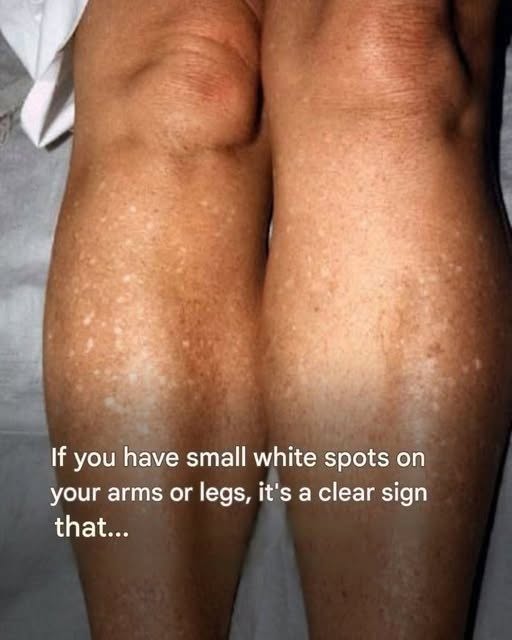
Summer is here, the sun is shining, and you’re enjoying more time outdoors—then suddenly you notice something you weren’t expecting: small white or pale spots appearing on your skin.
For some people, these patches become especially noticeable after getting a tan. They may appear on the face, shoulders, chest, back, arms, or other areas of the body.
Naturally, the first question is:
“Why is this happening, and should I be worried?”
The answer depends on what is causing the spots. While many cases are harmless, several different skin conditions can produce similar-looking patches.
☀️ Why Do White Spots Become More Noticeable in Summer?
One of the biggest reasons is simply contrast.
When healthy skin becomes darker after sun exposure, areas with reduced pigmentation may remain lighter. This can make spots that were barely noticeable during winter suddenly stand out.
However, sunlight isn’t always the cause of the spots themselves. Sometimes summer conditions—heat, sweating, humidity, and increased outdoor activity—can contribute to certain skin conditions.
🍄 Tinea Versicolor: A Common Summer Culprit
One common cause is tinea versicolor, a superficial fungal condition involving a yeast that normally lives on the skin.
In warm, humid conditions, this yeast can multiply more than usual. The result can be patches that appear lighter, darker, pinkish, or brownish than the surrounding skin.
The spots commonly occur on the:
- Chest
- Upper back
- Shoulders
- Neck
- Upper arms
They may have very fine scaling and sometimes cause mild itching, although some people experience no symptoms at all.
Importantly, tinea versicolor isn’t caused by poor hygiene, and having it doesn’t mean someone is “dirty.”
Treatment usually involves an appropriate antifungal medication, which may come as a cream, lotion, shampoo, or—in selected cases—an oral medication prescribed by a healthcare professional.
One thing can surprise people: the fungus may disappear before the skin color returns to normal. Pigmentation can take several weeks or even months to recover.
🌿 Pityriasis Alba Can Also Cause Pale Patches
Another possibility is pityriasis alba, a common and generally harmless condition that produces pale, sometimes slightly scaly patches.
It is particularly common in children and young adults and often affects the face, although the arms and other areas can also be involved.
The patches may become much easier to see during summer because surrounding skin becomes tanned.
Keeping the skin moisturized and protecting it from excessive sun exposure can help. If there is significant inflammation or irritation, a dermatologist may recommend appropriate treatment.
⚪ Could It Be Vitiligo?
Vitiligo is another condition that can cause white patches.
Unlike some other causes of lighter skin, vitiligo can produce well-defined areas of complete or near-complete pigment loss. It may develop on the hands, face, feet, around body openings, or other parts of the body.
Sometimes the patches gradually enlarge or new patches appear.
Vitiligo is an autoimmune condition, and it isn’t contagious.
Because treatment options depend on the individual and the extent of the condition, anyone who suspects vitiligo should have the patches evaluated by a dermatologist.
🧴 What Should You Do About White Spots?
The most important step is finding the cause rather than treating every white spot as a fungal infection.
A dermatologist can examine the skin and may use additional tools, such as a Wood’s lamp or skin scraping, when necessary.
Treatment may include:
For fungal causes: appropriate antifungal treatment.
For dry or eczema-related patches: moisturizers, gentle skincare, and sometimes prescription medication.
For vitiligo: treatments such as prescription topical medications or phototherapy may be considered.
For other causes of pigmentation loss: treatment is directed at the underlying condition.
🧢 Sunscreen Is Still Important
If you have lighter patches, don’t stop protecting your skin from the sun.
Use a broad-spectrum sunscreen with SPF 30 or higher, reapply according to the product instructions, and consider wearing protective clothing and seeking shade during intense sunlight.
Sun protection won’t necessarily make the spots disappear, but it can reduce tanning contrast and protect the surrounding skin from ultraviolet damage.
🚨 When Should You See a Dermatologist?
Consider getting the spots checked if they:
- Continue spreading
- Become completely white
- Develop noticeable scaling
- Itch, burn, or become painful
- Keep returning
- Appear suddenly without an obvious explanation
- Affect areas such as the eyes, mouth, or genitals
- Don’t improve with basic skincare
A dermatologist can often narrow down the cause by examining the pattern, texture, location, and appearance of the patches.
❤️ Don’t Panic—But Don’t Guess
Seeing white spots on your skin can be frightening, especially when they seem to appear suddenly during summer.
But not every white spot means vitiligo, and not every pale patch is a fungal infection.
Several different conditions can look remarkably similar. That’s why using random creams or home remedies can sometimes make the situation worse or delay the correct diagnosis.
If you’re unsure what you’re seeing, a professional skin examination is the safest way to find out.
Your skin is giving you information. The goal isn’t to panic when you notice a change—it’s to understand what that change means and treat the actual cause.
This article is for general educational purposes and does not replace an examination or diagnosis from a qualified healthcare professional.