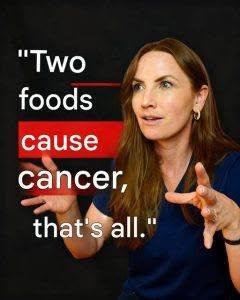
“Two foods cause cancer!”
🚨 Two Foods Linked to Higher Cancer Risk — The Truth Is More Complicated Than You Think
“Two foods cause cancer!”
You may have seen headlines like this spreading across social media.
They sound frightening—and they make it seem as though eating a particular food once can somehow trigger cancer.
But the real science is more nuanced.
Cancer usually develops through a complex combination of genetic, environmental, lifestyle, and other factors. No single food automatically means you will develop cancer.
However, research has identified certain foods and eating patterns that are associated with a higher risk of some cancers.
Two categories deserve particular attention.
🥓 1. Processed meat
Bacon, sausages, hot dogs, salami, ham, and other processed meats are among the foods most consistently linked with colorectal cancer.
Processed meat is meat that has been transformed through processes such as salting, curing, fermentation, smoking, or other methods intended to improve flavor or preservation.
In 2015, the International Agency for Research on Cancer classified processed meat as carcinogenic to humans, based on evidence linking it to colorectal cancer.
That classification does not mean processed meat is as dangerous as smoking.
Instead, it describes the strength of evidence that exposure can cause cancer.
Does that mean you can never eat bacon again?
Not necessarily.
The risk is related to amount and frequency of consumption.
Reducing how often you eat processed meat and choosing other protein sources more frequently can be a sensible approach.
🍖 2. Red meat
Beef, pork, lamb, and other mammalian muscle meats are classified differently.
The evidence suggests that eating red meat is associated with an increased risk of colorectal cancer, but the relationship is not as strong as it is for processed meat.
That means the message isn’t simply:
“Red meat causes cancer.”
A more accurate message is:
Higher consumption of red meat is associated with increased colorectal cancer risk, while processed meat has stronger evidence of a cancer-causing effect.
🥗 What should you eat instead?
You don’t need a perfect diet.
Instead, think about what regularly fills your plate.
Try including more:
🌱 Vegetables
🍎 Fruits
🫘 Beans and lentils
🌾 Whole grains
🥜 Nuts and seeds
🐟 Fish and other nutritious protein sources
These foods can help create an overall dietary pattern associated with better health.
⚠️ The bigger picture matters
Cancer risk isn’t determined by one meal.
Smoking, alcohol consumption, obesity, physical inactivity, certain infections, environmental exposures, genetics, age, and family history can all influence cancer risk.
And sometimes cancer develops even when someone has lived a very healthy lifestyle.
So don’t let a frightening headline make you believe that one food is secretly responsible for every case of cancer.
❤️ The takeaway
You don’t need to fear food.
You need to understand patterns.
Eating a sausage occasionally is not the same thing as eating large amounts of processed meat every day for years.
The goal isn’t perfection.
It’s making healthier choices more often.
Eat more plants. Limit processed meat. Keep red meat portions reasonable. Stay active. Don’t smoke. Limit alcohol. And keep up with recommended cancer screening.
Because when it comes to cancer prevention, the biggest difference usually comes from the overall pattern of your lifestyle—not one meal sitting on your plate.
“Two foods cause cancer!”
You may have seen headlines like this spreading across social media.
They sound frightening—and they make it seem as though eating a particular food once can somehow trigger cancer.
But the real science is more nuanced.
Cancer usually develops through a complex combination of genetic, environmental, lifestyle, and other factors. No single food automatically means you will develop cancer.
However, research has identified certain foods and eating patterns that are associated with a higher risk of some cancers.
Two categories deserve particular attention.
🥓 1. Processed meat
Bacon, sausages, hot dogs, salami, ham, and other processed meats are among the foods most consistently linked with colorectal cancer.
Processed meat is meat that has been transformed through processes such as salting, curing, fermentation, smoking, or other methods intended to improve flavor or preservation.
In 2015, the International Agency for Research on Cancer classified processed meat as carcinogenic to humans, based on evidence linking it to colorectal cancer.
That classification does not mean processed meat is as dangerous as smoking.
Instead, it describes the strength of evidence that exposure can cause cancer.
Does that mean you can never eat bacon again?
Not necessarily.
The risk is related to amount and frequency of consumption.
Reducing how often you eat processed meat and choosing other protein sources more frequently can be a sensible approach.
🍖 2. Red meat
Beef, pork, lamb, and other mammalian muscle meats are classified differently.
The evidence suggests that eating red meat is associated with an increased risk of colorectal cancer, but the relationship is not as strong as it is for processed meat.
That means the message isn’t simply:
“Red meat causes cancer.”
A more accurate message is:
Higher consumption of red meat is associated with increased colorectal cancer risk, while processed meat has stronger evidence of a cancer-causing effect.
🥗 What should you eat instead?
You don’t need a perfect diet.
Instead, think about what regularly fills your plate.
Try including more:
🌱 Vegetables
🍎 Fruits
🫘 Beans and lentils
🌾 Whole grains
🥜 Nuts and seeds
🐟 Fish and other nutritious protein sources
These foods can help create an overall dietary pattern associated with better health.
⚠️ The bigger picture matters
Cancer risk isn’t determined by one meal.
Smoking, alcohol consumption, obesity, physical inactivity, certain infections, environmental exposures, genetics, age, and family history can all influence cancer risk.
And sometimes cancer develops even when someone has lived a very healthy lifestyle.
So don’t let a frightening headline make you believe that one food is secretly responsible for every case of cancer.
❤️ The takeaway
You don’t need to fear food.
You need to understand patterns.
Eating a sausage occasionally is not the same thing as eating large amounts of processed meat every day for years.
The goal isn’t perfection.
It’s making healthier choices more often.
Eat more plants. Limit processed meat. Keep red meat portions reasonable. Stay active. Don’t smoke. Limit alcohol. And keep up with recommended cancer screening.
Because when it comes to cancer prevention, the biggest difference usually comes from the overall pattern of your lifestyle—not one meal sitting on your plate.
“Two foods cause cancer!”
You may have seen headlines like this spreading across social media.
They sound frightening—and they make it seem as though eating a particular food once can somehow trigger cancer.
But the real science is more nuanced.
Cancer usually develops through a complex combination of genetic, environmental, lifestyle, and other factors. No single food automatically means you will develop cancer.
However, research has identified certain foods and eating patterns that are associated with a higher risk of some cancers.
Two categories deserve particular attention.
🥓 1. Processed meat
Bacon, sausages, hot dogs, salami, ham, and other processed meats are among the foods most consistently linked with colorectal cancer.
Processed meat is meat that has been transformed through processes such as salting, curing, fermentation, smoking, or other methods intended to improve flavor or preservation.
In 2015, the International Agency for Research on Cancer classified processed meat as carcinogenic to humans, based on evidence linking it to colorectal cancer.
That classification does not mean processed meat is as dangerous as smoking.
Instead, it describes the strength of evidence that exposure can cause cancer.
Does that mean you can never eat bacon again?
Not necessarily.
The risk is related to amount and frequency of consumption.
Reducing how often you eat processed meat and choosing other protein sources more frequently can be a sensible approach.
🍖 2. Red meat
Beef, pork, lamb, and other mammalian muscle meats are classified differently.
The evidence suggests that eating red meat is associated with an increased risk of colorectal cancer, but the relationship is not as strong as it is for processed meat.
That means the message isn’t simply:
“Red meat causes cancer.”
A more accurate message is:
Higher consumption of red meat is associated with increased colorectal cancer risk, while processed meat has stronger evidence of a cancer-causing effect.
🥗 What should you eat instead?
You don’t need a perfect diet.
Instead, think about what regularly fills your plate.
Try including more:
🌱 Vegetables
🍎 Fruits
🫘 Beans and lentils
🌾 Whole grains
🥜 Nuts and seeds
🐟 Fish and other nutritious protein sources
These foods can help create an overall dietary pattern associated with better health.
⚠️ The bigger picture matters
Cancer risk isn’t determined by one meal.
Smoking, alcohol consumption, obesity, physical inactivity, certain infections, environmental exposures, genetics, age, and family history can all influence cancer risk.
And sometimes cancer develops even when someone has lived a very healthy lifestyle.
So don’t let a frightening headline make you believe that one food is secretly responsible for every case of cancer.
❤️ The takeaway
You don’t need to fear food.
You need to understand patterns.
Eating a sausage occasionally is not the same thing as eating large amounts of processed meat every day for years.
The goal isn’t perfection.
It’s making healthier choices more often.
Eat more plants. Limit processed meat. Keep red meat portions reasonable. Stay active. Don’t smoke. Limit alcohol. And keep up with recommended cancer screening.
Because when it comes to cancer prevention, the biggest difference usually comes from the overall pattern of your lifestyle—not one meal sitting on your plate.
You may have seen headlines like this spreading across social media.
They sound frightening—and they make it seem as though eating a particular food once can somehow trigger cancer.
But the real science is more nuanced.
Cancer usually develops through a complex combination of genetic, environmental, lifestyle, and other factors. No single food automatically means you will develop cancer.
However, research has identified certain foods and eating patterns that are associated with a higher risk of some cancers.
Two categories deserve particular attention.
🥓 1. Processed meat
Bacon, sausages, hot dogs, salami, ham, and other processed meats are among the foods most consistently linked with colorectal cancer.
Processed meat is meat that has been transformed through processes such as salting, curing, fermentation, smoking, or other methods intended to improve flavor or preservation.
In 2015, the International Agency for Research on Cancer classified processed meat as carcinogenic to humans, based on evidence linking it to colorectal cancer.
That classification does not mean processed meat is as dangerous as smoking.
Instead, it describes the strength of evidence that exposure can cause cancer.
Does that mean you can never eat bacon again?
Not necessarily.
The risk is related to amount and frequency of consumption.
Reducing how often you eat processed meat and choosing other protein sources more frequently can be a sensible approach.
🍖 2. Red meat
Beef, pork, lamb, and other mammalian muscle meats are classified differently.
The evidence suggests that eating red meat is associated with an increased risk of colorectal cancer, but the relationship is not as strong as it is for processed meat.
That means the message isn’t simply:
“Red meat causes cancer.”
A more accurate message is:
Higher consumption of red meat is associated with increased colorectal cancer risk, while processed meat has stronger evidence of a cancer-causing effect.
🥗 What should you eat instead?
You don’t need a perfect diet.
Instead, think about what regularly fills your plate.
Try including more:
🌱 Vegetables
🍎 Fruits
🫘 Beans and lentils
🌾 Whole grains
🥜 Nuts and seeds
🐟 Fish and other nutritious protein sources
These foods can help create an overall dietary pattern associated with better health.
⚠️ The bigger picture matters
Cancer risk isn’t determined by one meal.
Smoking, alcohol consumption, obesity, physical inactivity, certain infections, environmental exposures, genetics, age, and family history can all influence cancer risk.
And sometimes cancer develops even when someone has lived a very healthy lifestyle.
So don’t let a frightening headline make you believe that one food is secretly responsible for every case of cancer.
❤️ The takeaway
You don’t need to fear food.
You need to understand patterns.
Eating a sausage occasionally is not the same thing as eating large amounts of processed meat every day for years.
The goal isn’t perfection.
It’s making healthier choices more often.
Eat more plants. Limit processed meat. Keep red meat portions reasonable. Stay active. Don’t smoke. Limit alcohol. And keep up with recommended cancer screening.
Because when it comes to cancer prevention, the biggest difference usually comes from the overall pattern of your lifestyle—not one meal sitting on your plate.