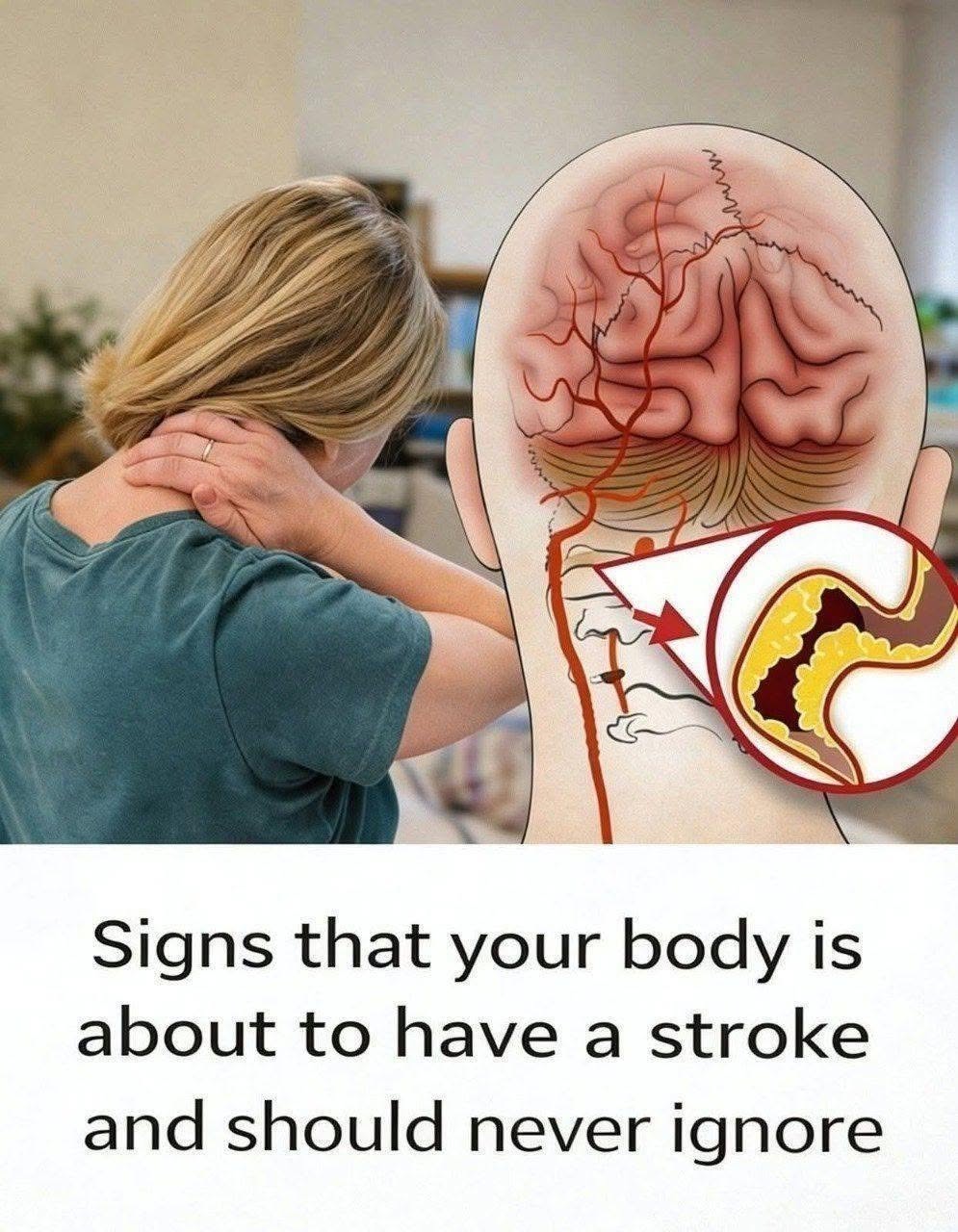
10 Early Warning Signs of a Stroke Everyone Should Know to Take Prompt Action
A stroke can happen suddenly—and knowing the warning signs could save a life.
Many people assume a stroke always begins with dramatic symptoms. But the warning signs can sometimes be subtle, and every minute matters because prompt treatment can reduce the risk of lasting brain damage.
Here are 10 warning signs everyone should recognize.
1. Sudden weakness or numbness
Sudden weakness, numbness, or loss of control—especially on one side of the face, arm, or leg—is one of the most important stroke warning signs.
Ask the person to raise both arms. If one drifts downward, seek emergency medical help immediately.
2. A sudden drooping face
One side of the face may suddenly droop or feel numb.
Ask the person to smile.
If the smile looks uneven or one side of the face doesn’t move normally, treat it as an emergency.
3. Sudden trouble speaking
A person having a stroke may suddenly slur their speech, have difficulty finding words, or struggle to understand what others are saying.
Even if the problem lasts only a few minutes, it shouldn’t be ignored.
4. Sudden vision problems
Stroke can affect one or both eyes.
Sudden blurred vision, double vision, loss of vision, or difficulty seeing can be a warning sign—particularly when it happens unexpectedly.
5. Sudden severe headache
A sudden, unusually severe headache with no obvious cause can sometimes accompany a stroke, particularly a bleeding stroke.
If a severe headache appears suddenly along with neurological symptoms, seek emergency care immediately.
6. Sudden dizziness or loss of balance
Unexpected dizziness, difficulty walking, loss of coordination, or problems maintaining balance can occur during a stroke.
These symptoms are especially concerning when they begin suddenly.
7. Sudden confusion
Someone experiencing a stroke may suddenly become confused, have difficulty understanding simple sentences, or appear unable to communicate normally.
A sudden change in mental status deserves urgent attention.
8. Difficulty swallowing
Sudden trouble swallowing, choking, or difficulty controlling the muscles used for swallowing can occur with some strokes.
Don’t assume it’s simply fatigue if the symptom appears suddenly.
9. Sudden trouble walking
A person may suddenly stumble, become unsteady, or have difficulty coordinating their legs.
If this happens without an obvious explanation, especially alongside other warning signs, call emergency services.
10. Symptoms that disappear
This is one of the most dangerous misunderstandings.
Stroke-like symptoms that disappear after a few minutes may indicate a transient ischemic attack (TIA), sometimes called a “mini-stroke.”
A TIA is a medical emergency and can be a warning that a major stroke may follow.
Remember FAST
One of the easiest ways to recognize a stroke is FAST:
F — Face: Is one side of the face drooping?
A — Arms: Is one arm weak or numb?
S — Speech: Is speech slurred, strange, or difficult to understand?
T — Time: Call your local emergency service immediately.
Don’t drive the person yourself if emergency medical transport is available. Emergency responders can begin assessment and treatment while transporting the patient.
Why acting quickly matters
Some stroke treatments work best when given as soon as possible after symptoms begin. The sooner a person receives emergency evaluation, the sooner doctors can determine whether treatments such as clot-busting medication or other interventions may be appropriate.
Never wait to see if the symptoms go away.
If you or someone around you suddenly develops signs of a stroke, treat it as an emergency.
A few minutes of action could make a life-changing difference.
Important: This article is for general education and is not a substitute for medical advice. If stroke symptoms are happening now, seek emergency medical care immediately rather than continuing to read.