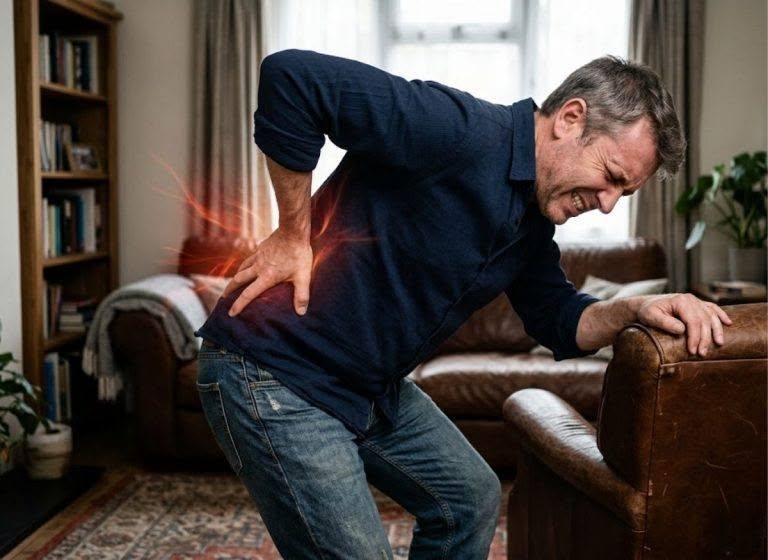
7 Causes of Back Spasms and How to Relieve the Pain Fast
Back spasms can strike suddenly—a tight, painful contraction that makes it difficult to move, bend, or even stand comfortably. While many spasms are caused by muscle strain and improve with simple care, recurring or severe spasms can sometimes signal an underlying problem.
Here are 7 common causes of back spasms and practical ways to ease the pain.
1. Muscle Strain or Overuse
Lifting something heavy, exercising too intensely, or making an awkward movement can overstretch or irritate the muscles in your back.
What may help: Rest from aggravating activities, gentle movement, and a warm compress can help relax tight muscles. Avoid prolonged bed rest, which may make stiffness worse.
2. Poor Posture
Sitting for long periods, slouching, or working at an improperly positioned desk can place extra stress on the back muscles.
What may help: Change positions regularly, keep your feet supported, and adjust your chair and screen so you aren’t constantly leaning forward.
3. Dehydration or Electrolyte Imbalance
Fluids and electrolytes such as potassium and magnesium are involved in normal muscle function. Significant fluid loss can contribute to muscle cramping.
What may help: Drink fluids regularly, particularly after sweating heavily. If you have ongoing cramps or take medications that affect fluid balance, speak with a healthcare professional before taking electrolyte supplements.
4. Herniated or Bulging Disc
A disc problem can irritate nearby nerves and cause back pain accompanied by muscle tightening or spasms.
What may help: Avoid movements that clearly worsen symptoms and consider medical evaluation, especially if pain travels into the buttock or leg.
5. Arthritis and Age-Related Changes
Changes in the spine, including osteoarthritis, can contribute to stiffness, inflammation, and muscle tension.
What may help: Staying active with appropriate low-impact exercise and strengthening the muscles that support your spine may help reduce symptoms over time.
6. Stress and Muscle Tension
Stress can cause people to unconsciously tighten their muscles. If this happens repeatedly, the back may become stiff and painful.
What may help: Gentle stretching, relaxation techniques, adequate sleep, and regular physical activity may reduce muscle tension.
7. Injury or Spinal Problems
A fall, sports injury, car accident, or other trauma can trigger protective muscle spasms. Less commonly, serious spinal conditions can also cause severe back pain.
What may help: Significant pain following an injury should be assessed by a healthcare professional rather than treated solely at home.
How to Relieve a Back Spasm Quickly
For a typical uncomplicated muscle spasm, you can try:
- Keep gently moving rather than staying in bed for long periods.
- Apply heat to tight muscles for short periods.
- Try gentle stretching if it doesn’t increase your pain.
- Avoid heavy lifting and twisting until the pain settles.
- Use over-the-counter pain medication only if it’s safe for you and according to the product directions.
- Gradually return to normal activity as your mobility improves.
When Should You Seek Medical Help?
Don’t ignore back pain that is severe, persistent, or repeatedly returning. Seek urgent medical attention if back pain occurs with new loss of bladder or bowel control, numbness around the groin or buttocks, significant weakness in the legs, fever, unexplained weight loss, or after major trauma.
If spasms keep coming back or aren’t improving, a healthcare professional can help determine whether muscle strain, a disc problem, arthritis, or another condition is responsible.
Bottom line: Most occasional back spasms are related to muscle strain, overuse, posture, or tension and often improve with conservative care. The key is to stay gently active, avoid aggravating movements, and pay attention to warning signs that require medical evaluation.