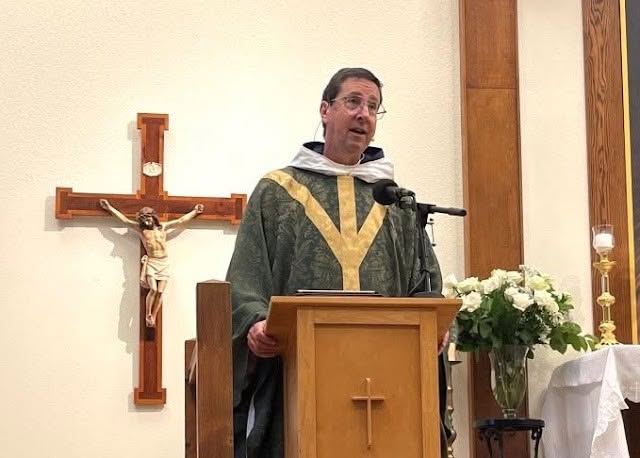
Canyon Lake Priest Excommunicated After Rejecting Pope Leo XIV’s Authority
A dramatic dispute within the Catholic Church has drawn national attention after a Texas priest associated with a religious mission near Canyon Lake was excommunicated and removed from the clerical state following a church tribunal’s finding that he was guilty of schism.
The priest, John Mary Foster, founded the Mission of Divine Mercy near Canyon Lake and had been a priest of the Archdiocese of San Antonio since 2009. Archbishop Gustavo García-Siller announced the decision publicly on August 14, 2026.
Why Was Foster Excommunicated?
According to the Archdiocese of San Antonio, Foster was found guilty of schism because of his refusal to submit to the authority of the Roman pontiff.
Church officials said Foster had publicly rejected the authority of both Pope Francis and Pope Leo XIV, referring to them as “usurpers.” He also supported messages published by the Mission of Divine Mercy that claimed Pope Leo XIV was not the true pope.
The issue therefore went beyond criticism or disagreement with Church leadership. The tribunal determined that Foster’s actions constituted a formal rejection of papal authority.
A Tribunal Reviewed the Case
The Archdiocese said the canonical case began in April 2025.
A tribunal consisting of three priests with doctorates in canon law reviewed Foster’s statements, homilies, teachings, and actions and heard testimony from witnesses. According to the archdiocese, the tribunal reached its decision on April 20, 2026.
The tribunal declared Foster guilty of schism and imposed latae sententiae excommunication, while also removing him from the clerical state.
The Dicastery for the Doctrine of the Faith was notified of the result, according to Archbishop García-Siller.
Foster Says He Will Not Appeal
Foster has defended his position and said he believes he is following what he understands to be God’s will.
In an interview, he maintained that Pope Francis and Pope Leo XIV are “usurpers” and said he does not recognize their authority. He also said he does not plan to appeal the decision.
The disagreement has therefore continued even after the canonical judgment.
The Mission of Divine Mercy
The controversy also involves the Mission of Divine Mercy, the community Foster founded near Canyon Lake.
According to Catholic news reports, the group has published alleged messages attributed to God, Jesus, and the Blessed Virgin Mary. Church authorities had previously ordered the group to stop publishing the messages until they could be reviewed.
The Archdiocese says the group continued publishing the messages despite those instructions.
Catholics Warned Not to Attend
Archbishop García-Siller has taken an additional step by directing Catholics not to participate in Masses, liturgies, or other events sponsored by Foster or the Mission of Divine Mercy.
He also urged Catholics not to provide financial support to the organization.
The archbishop said Foster no longer has the faculties to celebrate the sacraments, except in limited circumstances allowed by canon law.
A Deeper Debate About Authority
The controversy highlights a fundamental principle of Catholic Church structure: communion with the pope and bishops united with him is considered essential to remaining within the Church’s canonical communion.
For Foster and his supporters, however, the dispute centers on whether the current leadership legitimately represents the Church.
That disagreement has now resulted in one of the most serious canonical penalties possible.
The Bottom Line
The Canyon Lake controversy is not simply a disagreement between a priest and his bishop.
According to the Archdiocese of San Antonio, John Mary Foster was found guilty of schism after rejecting the authority and legitimacy of Pope Leo XIV and Pope Francis. He was subsequently excommunicated and dismissed from the clerical state.
Foster continues to defend his beliefs, while Church authorities have warned Catholics against following his ministry.
The case is likely to remain a subject of debate among Catholics as questions surrounding papal authority, alleged prophetic messages, and Church unity continue to attract attention.