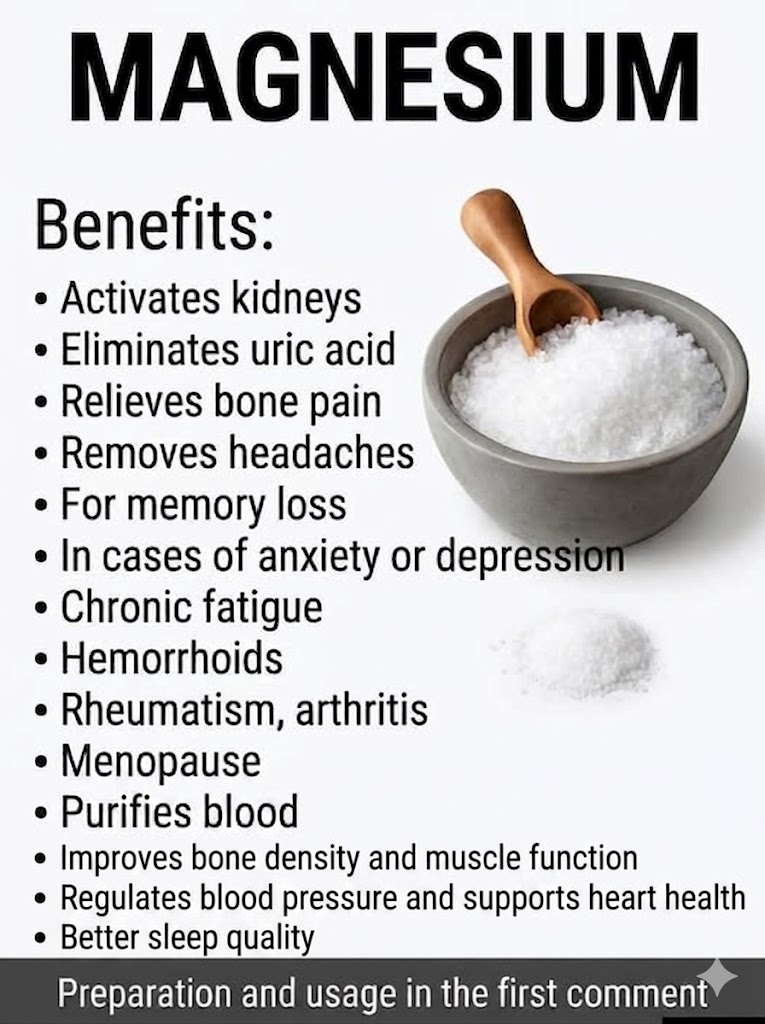
nerve signaling, sleep regulation, heart rhythm, and energy production. Doctors and health professionals around the world — including some practitioners in China — may recommend magnesium when people have low dietary intake or certain symptoms related to magnesium deficiency.
However, it’s important to understand that magnesium is not a miracle cure, and recommendations vary depending on a person’s health needs.
What Magnesium Does in the Body
Supports Muscle Function
Magnesium helps muscles relax and contract properly. Low magnesium levels may contribute to muscle cramps or tension.
Helps With Sleep
Some people find magnesium calming and use it as part of a bedtime routine to support relaxation and sleep quality.
Supports Heart Health
Magnesium plays a role in maintaining normal heart rhythm and healthy blood pressure.
Helps Nerve Function
The mineral supports communication between nerves and muscles.
Involved in Energy Production
Magnesium helps the body convert food into energy.
Foods Naturally Rich in Magnesium
Nuts and Seeds
- Almonds
- Pumpkin seeds
- Cashews
Leafy Greens
- Spinach
- Kale
Whole Grains
- Brown rice
- Oats
Beans and Legumes
- Black beans
- Lentils
Other Sources
- Avocados
- Bananas
- Dark chocolate
Common Reasons Magnesium May Be Recommended
Some people may not get enough magnesium due to:
- Poor diet
- Digestive issues
- Certain medications
- Increased stress
- Older age
Doctors sometimes recommend magnesium supplements for people with confirmed deficiency or specific medical conditions.
Important Things to Know
More Is Not Always Better
Too much magnesium from supplements may cause:
- Diarrhea
- Nausea
- Stomach cramps
Very high amounts can be dangerous, especially for people with kidney problems.
Different Forms Exist
Common types include:
- Magnesium glycinate
- Magnesium citrate
- Magnesium oxide
Each form is absorbed differently and may be used for different purposes.