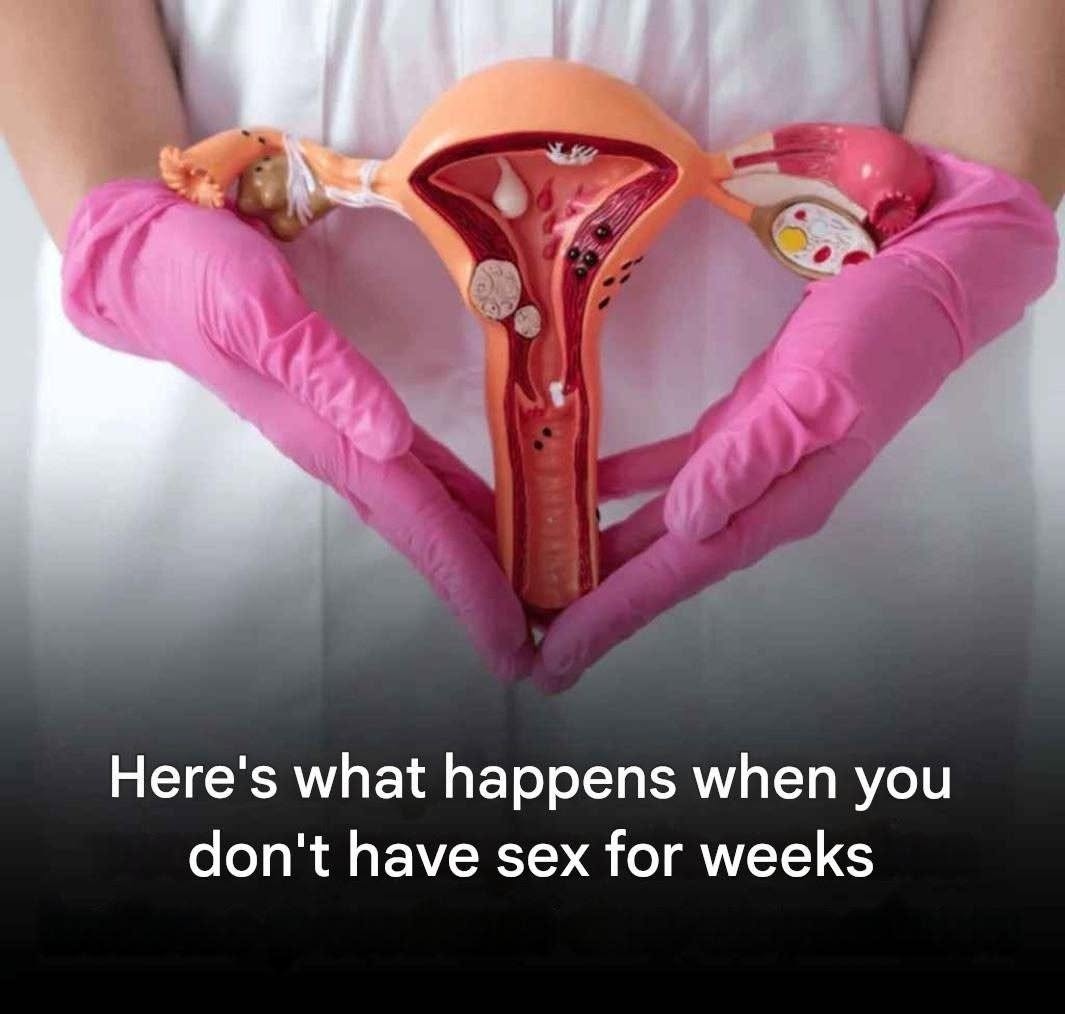
The Consequences of a Prolonged Absence of Intimate Relations: What Really Happens to Your Body and Mind?
A prolonged period without sexual or romantic intimacy is not inherently unhealthy. Some people experience no negative effects at all, while others may notice changes in mood, stress, confidence, or feelings of connection.
1. Your Mood May Change
Sexual activity can be associated with relaxation and positive emotions, partly because intimate touch and sexual activity can influence brain chemicals involved in pleasure and stress. But these benefits can also come from nonsexual affection, exercise, friendships, hobbies, and other enjoyable activities.
2. You May Miss Physical Affection
For some people, the biggest change isn’t the absence of sex itself but the lack of affectionate touch. Hugging, cuddling, holding hands, or simply feeling physically close to someone can provide comfort and emotional connection.
3. Stress and Sleep Can Be Affected
Some people report feeling more relaxed or sleeping better after sexual activity. However, going without sex does not automatically cause insomnia or chronic stress. Individual experiences differ considerably.
4. Libido May Change
A person’s sexual desire can fluctuate over time. A period without sexual activity doesn’t necessarily mean that something is wrong. Stress, medications, hormones, relationships, age, mental health, and many other factors can influence libido.
5. Relationships and Emotional Well-Being Matter
If the lack of intimacy is unwanted and causing loneliness, frustration, or relationship difficulties, those emotional effects may be more important than the absence of sex itself.
Talking openly with a partner—or with a qualified therapist when necessary—can help identify what is missing and what both people want.
6. There Is No Required “Healthy” Frequency
There is no universal amount of sex that a person needs to remain physically healthy. Some people want frequent sexual activity, while others are perfectly comfortable with little or none.
The important question isn’t “How long has it been?” but rather “Am I comfortable with my situation, and is it affecting my well-being?”
When to Seek Professional Advice
If a sudden loss of sexual desire is accompanied by pain, erectile difficulties, vaginal dryness, hormonal symptoms, significant mood changes, or other unexplained changes, speaking with a healthcare professional can help identify an underlying cause.
Bottom line: A prolonged absence of intimate relations does not automatically damage your body. What matters most is whether the situation is causing you physical discomfort, emotional distress, loneliness, or relationship problems.